







|
|
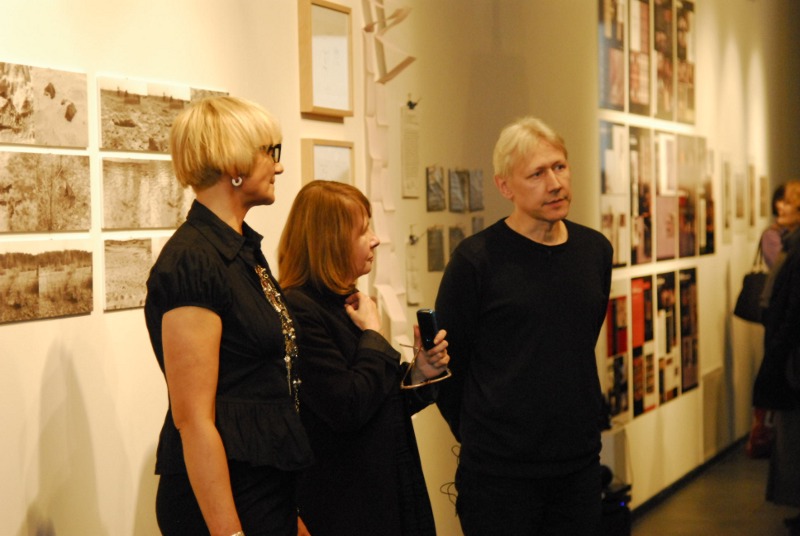
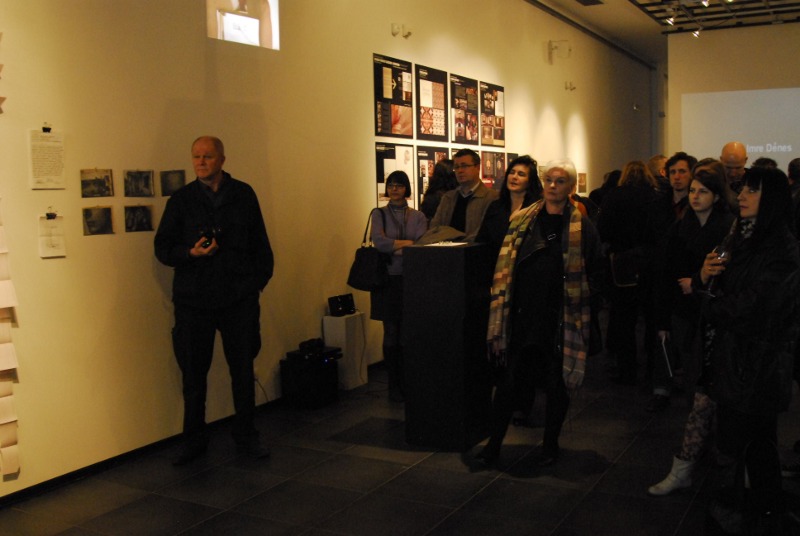
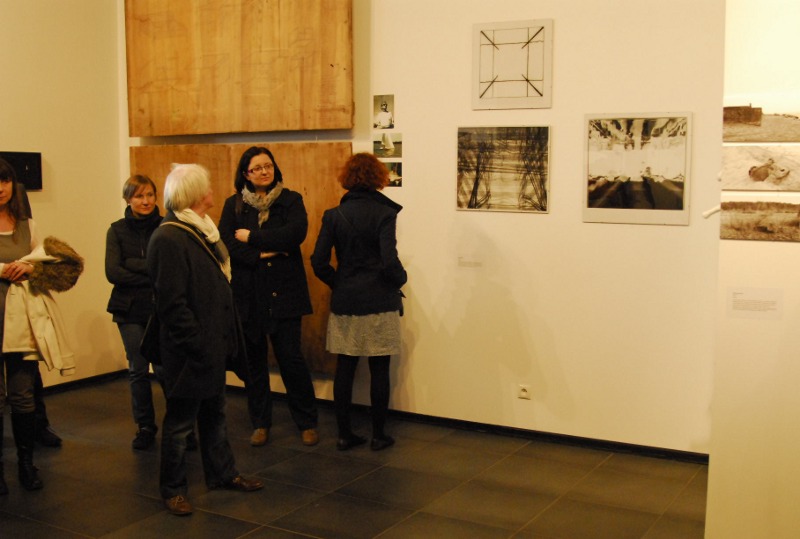
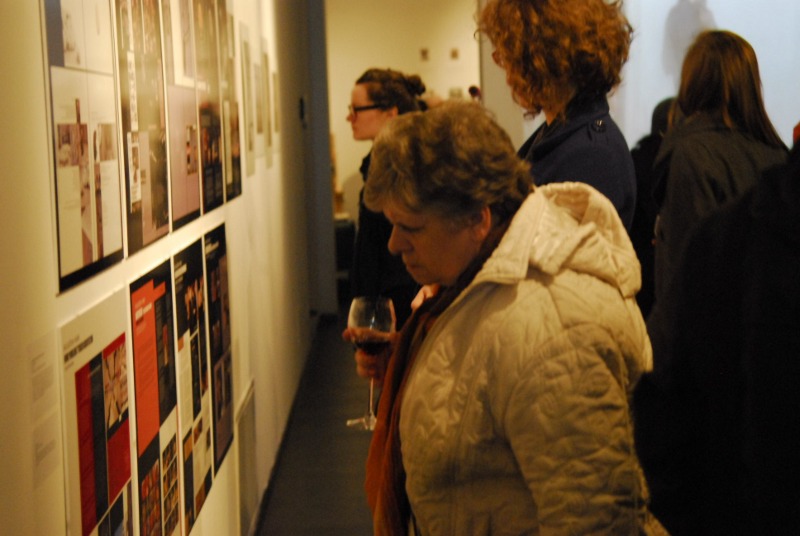
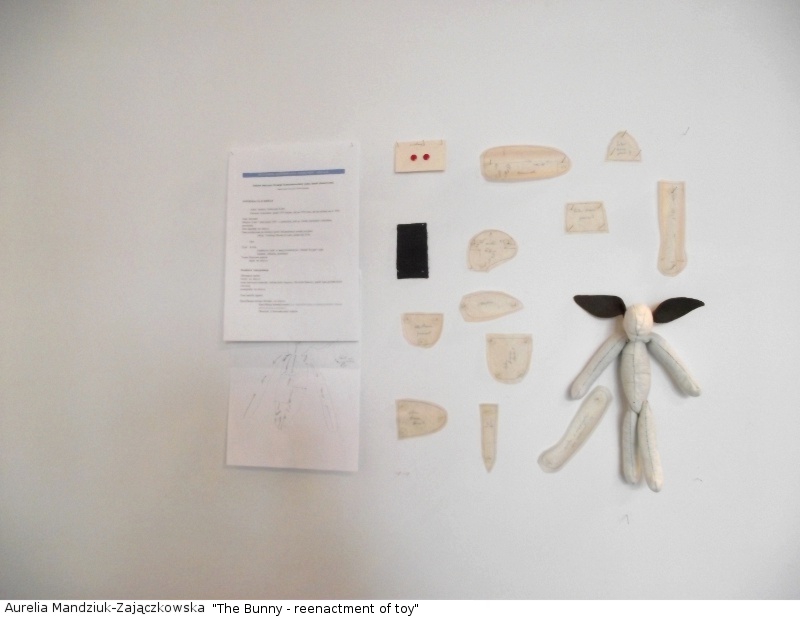
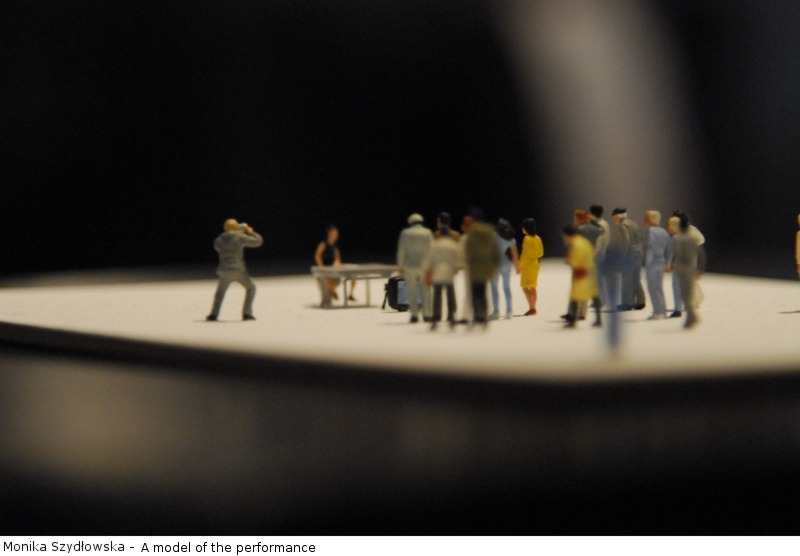
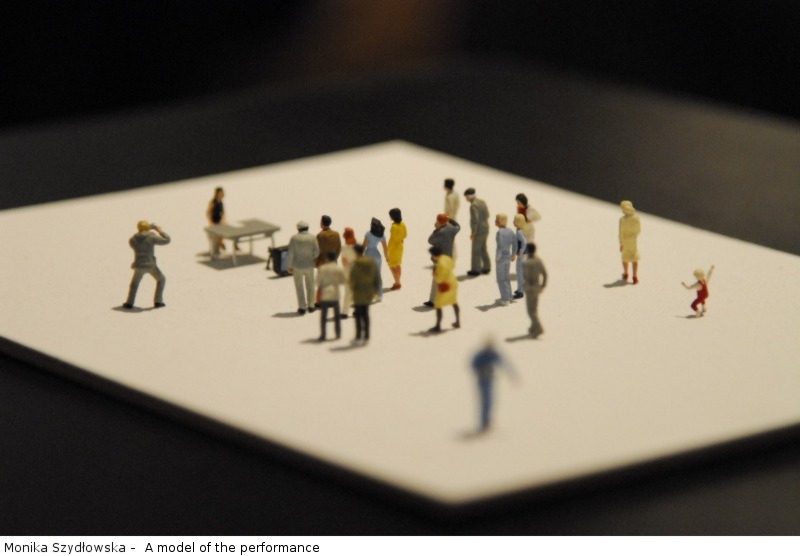
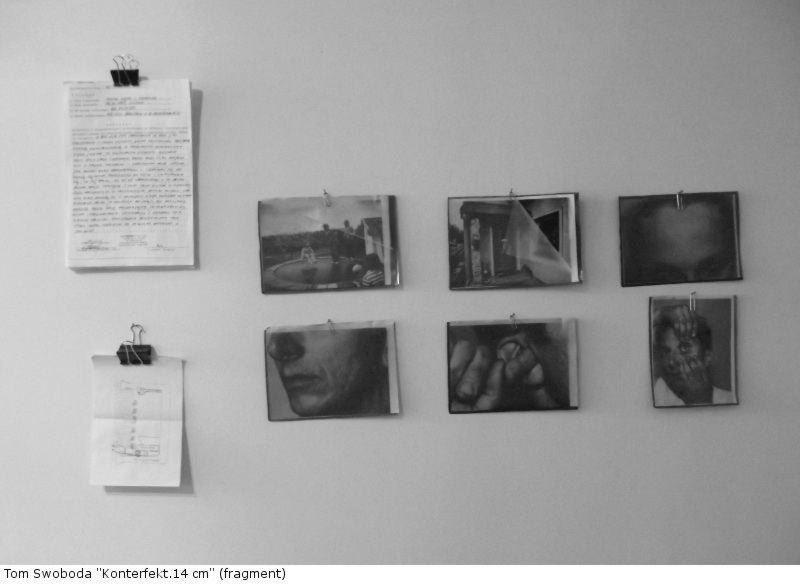
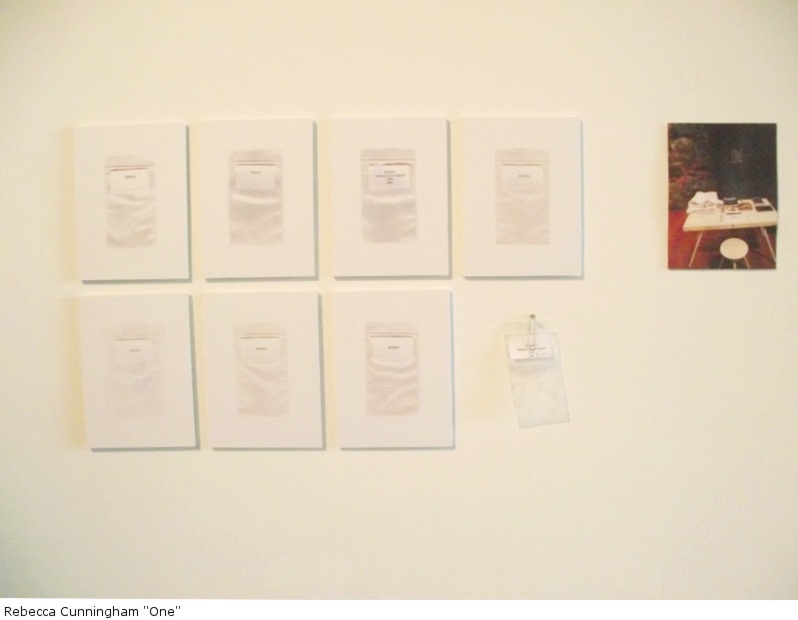
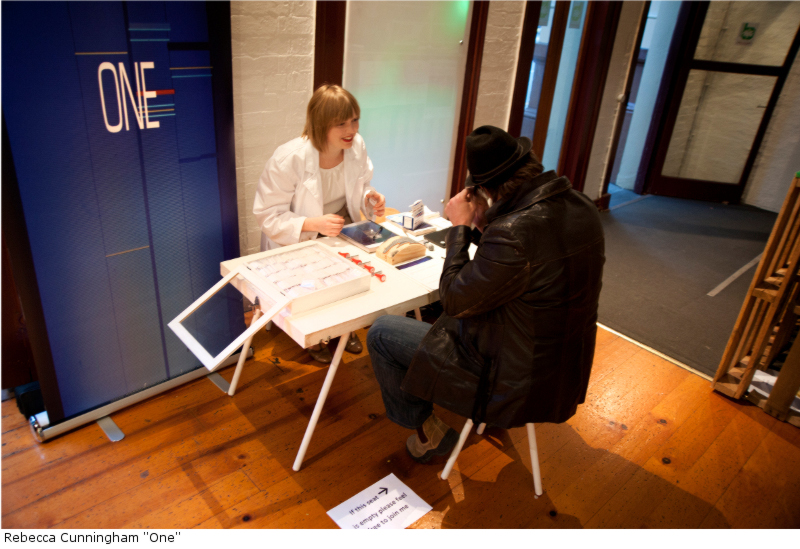
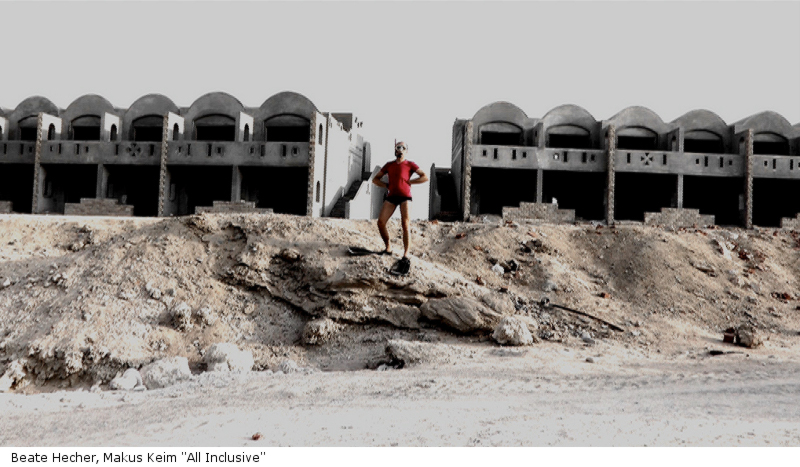
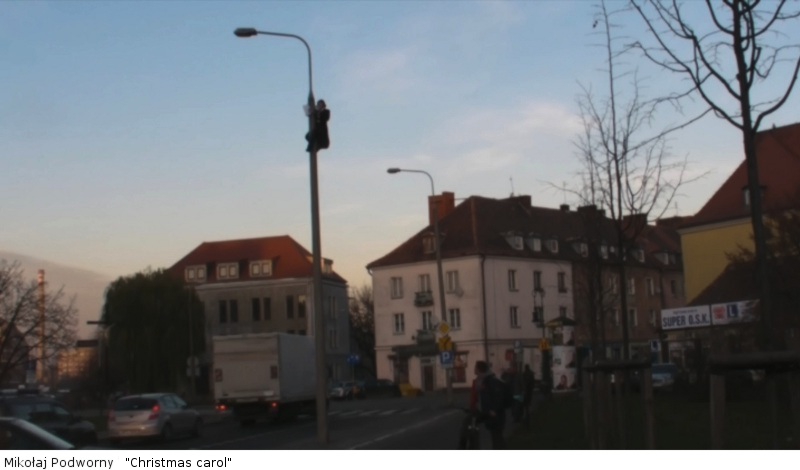
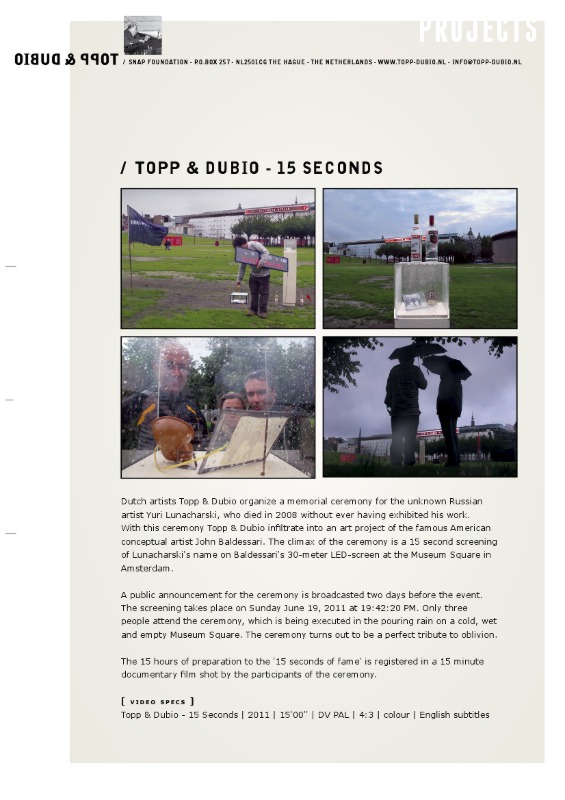
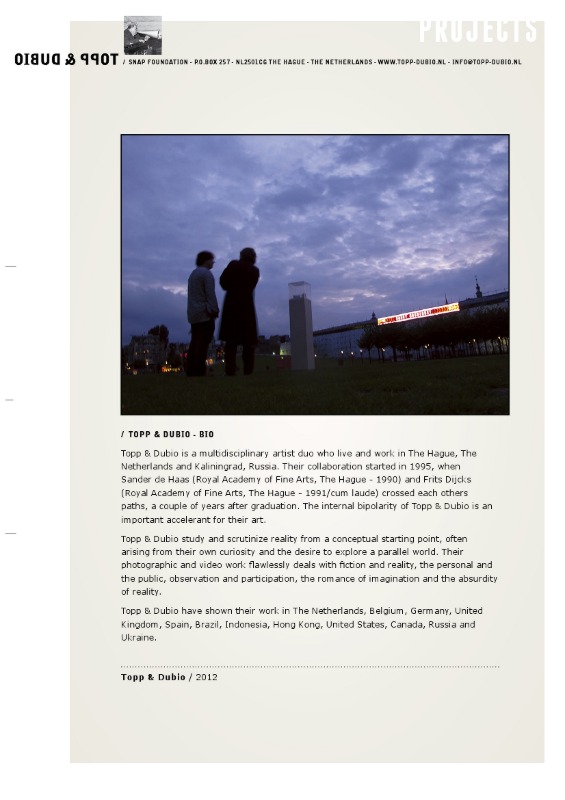
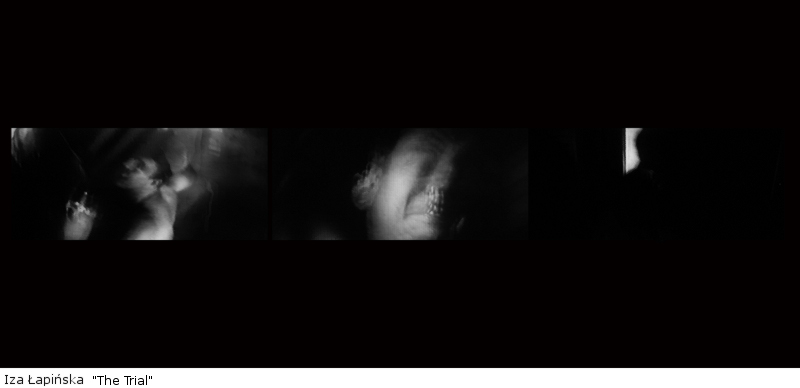
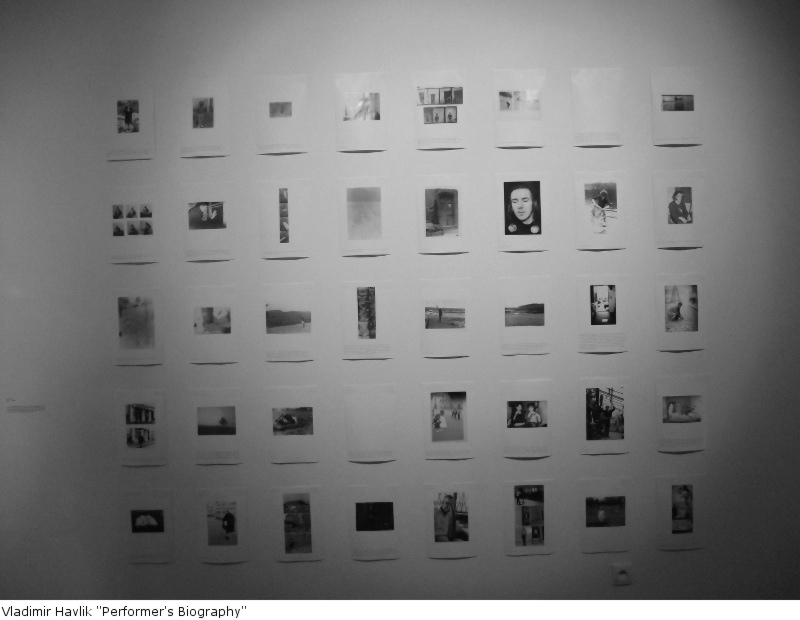
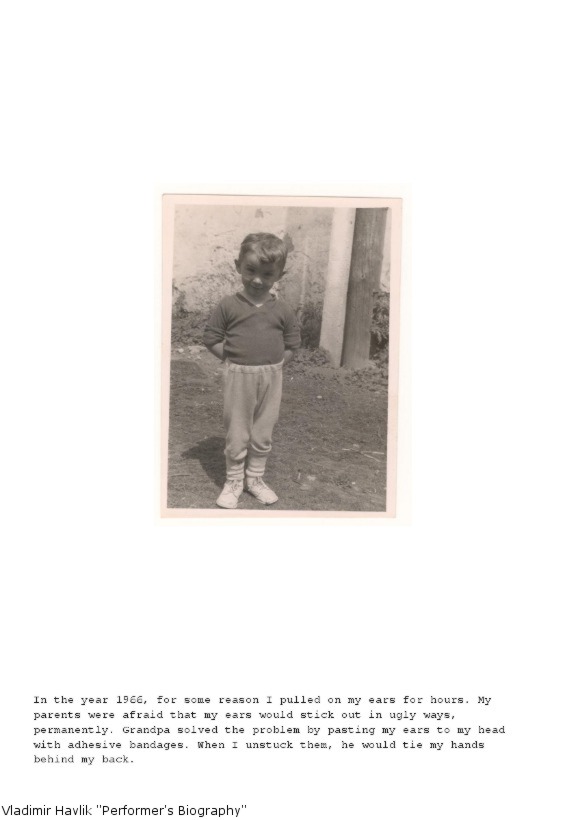
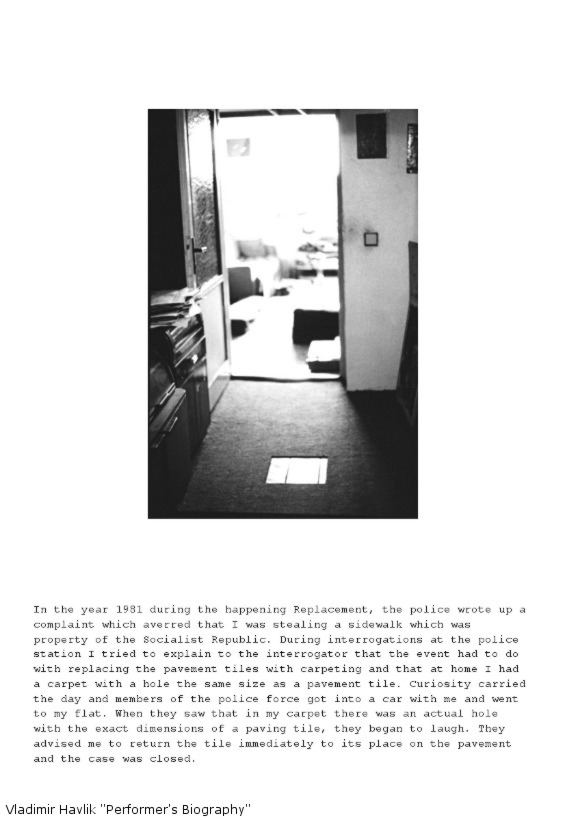
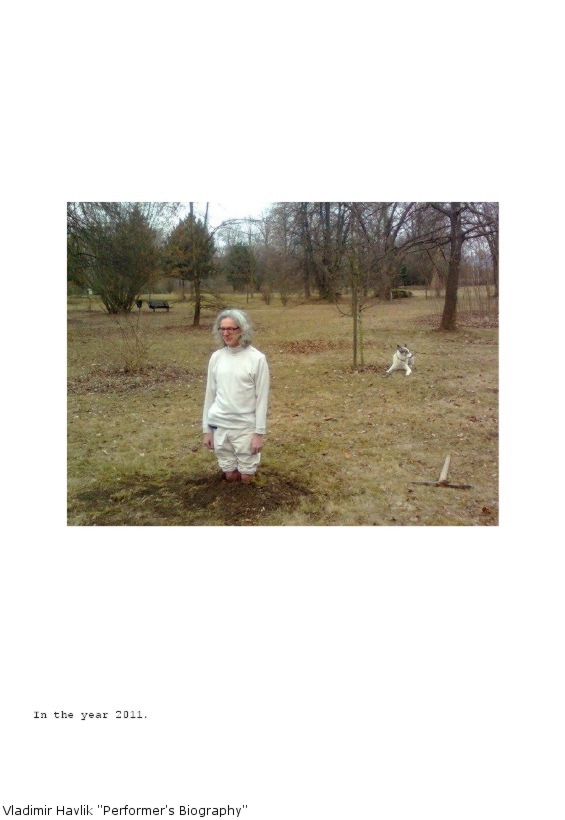
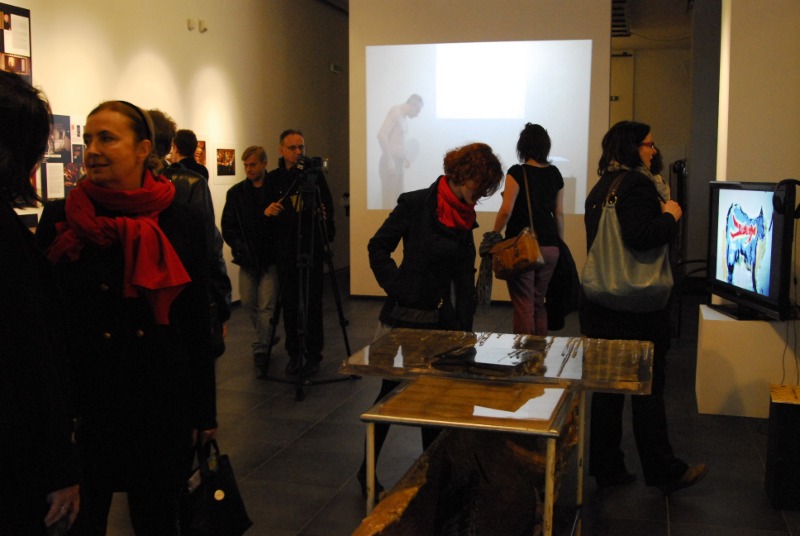
Documentation of art / art of documenting Anka Lesniak, 2012-10-03 In April and May the 4th Art and Documentation Festival took place in Lodz (Poland). The festival is held once a year. It is dedicated to issues connected with the documenting of the contemporary art, with particular emphasis on ephemeral art forms such as an installation and performance art. the Art and Documentation Festival is organised by the Art and Documentation Association, whose main aim is collecting, researching and disseminating testimonies and archives concerning non-institutional activities and artist run initiatives (from the seventies to the present day). After merely forty years since the birth of conceptual art and consequently a wider presence of time-based and site-specific art forms, one can see how much information is missing. Sometimes we only have fragmented material from the activities of that period, for example, one photo from a performance, someone’s testimony or a manifesto by the artist. Traditional forms of documentation - reproductions and museum index cards, appropriate for artifacts, aren't suitable to capture the essence of ephemeral art. Good quality camera equipment was not available for artists during the time of communism in Poland. Today a camera is widely available. Both professionals and ordinary people can make a video or a photo of an artistic event. Do these opportunities actually generate more and more documentation? Does this documentation give a better idea of the nature of documented work? And perhaps the documentation may become a work of art by itself, which can exist independently and be considered separately, without references to the work documented. The Art and Documentation Festival has collected various forms of documentation (video, photo, press articles, radio and TV broadcasts) for several years, but it is also looking for other unconventional ways for the documentation of a work of art or an artistic event. Submitted works were presented at an exhibition entitled Art Object Registration, organised for the fourth time. This year it was hosted by the Imaginarium Gallery (LDK) and over 50 participants from Poland and abroad took part in it. There was video documentation of a pre-event to the Art and Documentation Festival, entitled "Ephemeral Fixed. Ephemeral art - history documented ", presented on a screen in the centre of the room. The event "Ephemeral fixed" was concerned with the issues of ephemeral art in Visegrad countries (Poland, Czech Republic, Slovakia and Hungary) and the contribution of artist run initiatives in this kind of activity. Krzysztof Lewandowski showed some fragments of "Ephemeral Fixed" including performances and also other events in his 40 min. video. A video-documentation in this case is a more appropriate term than a documentary film or a video-clip, in which the input of the director is more important and more visible. The opposite perspective to Lewandowski’s recording could be The Abandoned Masterpieces by Slawek Kosmynka. It is a video of just a few minutes long, in which the background music plays an important role. The video consists of photos showing the activities of the LUND – an underground scene in Lodz during the eighties. On the video we could see graffiti works, paintings and photos from the actions. The LUND exhibition took place in 2011 in the Manhattan Gallery (Lodz). Several submitted video works oscillated between documentation and creation. Tobiasz Jędrak and Jan Moszumański showed Bardzo fajny film o czasie. [A very nice film about time]. The action takes place between two blocks of flats, perhaps in different housing complexes. The main character here is a camera, which is delivered from one flat to the other by a taxi during which time the device is filming the whole route. The image from the camera shows random fragments of reality from a ‘fish eye’ perspective. The moments when at first – the sender and then the receiver of the camera walked with it, were reminiscent of Józef Robakowski's films Mechanical-Biological Recordings, where the device registered movements of the camera operator's body. When the camera was in the taxi, it registered the surroundings from such points of view which were impossible to see normal human eye level. This is the type of documentation, in which a camera is detached from the eye of the camera operator. Monika Szydlowska presented the documentation of her performance. It consisted of a video recording and a model which presented the arrangement of the audience during the performance, in which the artist sat at a table and read the instructions that are to be followed after the explosion of an atomic bomb. At the same time, a camera was recording and transmitting the image of what was happening under the table onto a monitor. The image showed the performer's legs gradually parting. The video shown during the exhibition was a live recording of the performance. Malgorzata Kazimierczak submitted a video entitled Contexts ... between ... Sentences recorded during the "Contexts" Festival in Sokołowsko in 2011. The artist asked participants of the event to write directly onto plates prepared beforehand by her. They were requested to write an open sentence, meaning a phrase to which it is impossible to give an answer "yes" or "no". Every participant of the action was asked to present his/her sentence to the camera. Kazimierczak's video is both the documentation of the action and an autonomous work of art. The film is in black and white and highly contrasted. When it's raining, people are reluctant to leave home, except for a commemoration. Topp & Dubbio showed the documentation of a performance devoted to Yuri Lunacharsky (1978-2008) who was an unknown Russian artist. The action took place on Sunday, June 19, 2011. The performance was a kind of farcical parallel to formal ceremonies. In front of the Museumplein in Amsterdam, where at that time John Baldessari's work was presented, Topp & Dubbio placed a display case with photos of Lunacharsky’s flags and also a display with Lunacharsky's name. The display was a reference to a similar, but much larger display device - Baldessari's artwork placed on the facade of the Museum. On Baldessari's display one could see the names of people who registered on his project's web site. The names flashed for 15 sec. As befits the memory of the Russian artist, Topp & Dubbio in the company of other people, were drinking Stolichnaya vodka and exploding firecrackers (which was not easy in the pouring rain). Then they saluted, there was also a speech - a kind of mockery. The "ceremony" lasted until dusk, when Yuri Lunacharsky's name flashed for 15 seconds on the facade of the museum. Given the nature of the event we are not even sure whether Lunacharski really existed. During the exhibition, one also could see the album Topp & Dubbio containing pictures and descriptions of their many actions. An interesting graphic form also interprets it into an artistic book. Mikolaj Podworny showed video-documentation of his performance made before Christmas in 2011 in Poznan (Poland). He drew attention to the contemporary approach to the Christmas carols that we hear from November in supermarkets and in other commercial spaces. So we are in fact confronted with them in completely different contexts than before. In connection with the use of carols in shopping areas, to which we are already accustomed, the artist decided to sing Christmas carols himself - whilst being hidden in the places where one could least expect it. The artist climbed a lamppost and then sung well known Christmas carols one after another through a megaphone. As the police considered his performance to be disturbing to public order, the artist was fined and he attached a copy of the fine to the exhibition. For last year's exhibition in the City Gallery in Gdańsk Miasto Zdarzenie. Rekonstrukcja przemocy [City, Happening. The Reconstruction of Violence], Dorota Nieznalska presented a reconstruction of the Gdansk shipyard gate destroyed by a tank on December 16th, 1981 (during the famous strike of workers against the communist authorities). Nieznalska, during the exhibition in Gdansk presented the reconstruction of the destroyed gate, with all marks of the devastation caused by the tank. On August 17th, 2011 the reconstructed gate was transported to the gallery. The video submitted to the Art & Documentation Festival shows the loading and transportation of the gate from the blacksmith’s and locksmith’s workshops to the gallery and its installation in the exhibition room. The gate, which is a reconstruction in 1:1 scale was recreated through archival materials and photos from the IPN [the Institute for National Memory that traces crimes against Polish nation, including those committed during the communist regime]. She also referenced descriptions and testimonies of witnesses of those events. The PUL Group (Paulina and Ula Korwin-Kochanowski, and Ludwik) showed a multimedia presentation, Will I be missed?. The work dealt with the nineteenth century architecture of Lodz, which is slowly disappearing as tenement houses and old factories fall into ruin and are systematically demolished. Łódź wasn't destroyed during World War II allowing the unique architectural complex from the turn of the century to be retained, but due to the subsequent ignorance of city authorities and property owners for almost 70 years is has been gradually devastated. The artists made a neon sign with the question "Will I Be Missed?", and then they placed it on ruined buildings. In addition, they prepared a digital map of vanishing houses and postcards which were "sentimental in style", showing photos of those buildings Beate Hecher and Markus Keim showed a video work entitled All Inclusive which was based on a panoramic photo. On the video we see a monumental building located in a desert, which moves horizontally behind the author who stands in the foreground. This is an unfinished hotel and as the authors wrote - "a yesterday, which won’t see tomorrow ... a despotic figure in a landscape". Marcus Bering showed the documentation of the installation process of his artwork entitled Reading PI, prepared for a group exhibition Między-Przestrzen in the El Gallery in Elblag (Poland). The construction of the work was also an artistic action, because the artist asked different people to stick numbers from 0 to 9 (components of the number PI) on white screens. Each of the persons asked, attached the numbers in whatever way they pleased. The video shows both the process of the creation of the work and its context - the place and people from the El Gallery. Rebecca Cunningham submitted documentation of a performance entitled One. In the description we could read: "... one life / one person sitting opposite / one exchange / one sample of DNA / it can happen (one) million times ...". During the performance the artist collected a single hair from each viewer – a hair being something that contains DNA. Cunningham asks whether, in a world where it is difficult to draw a line between privacy and the public sphere, we are only occasionally in situations in which we can trust somebody, are we able to trust the artist and give her our one hair containing something very personal - our DNA? The performance took place in Brisbane In Australia, September 8Th, 2011 and will be continued. The documentation presented in Lodz consisted of several photos and one original object - a plastic bag containing a hair. Tom Swoboda presented work from a project entitled Konterfekt. The main concern of the project is to legitimise the spiritual aspect of human life, in this case with relation to Christianity as the leading religion in Poland. The author is looking for people who have a tangible relationship with God - for example, through miraculous healing or a vision. Swoboda documents these individual bodily experiences through photos, drawings, casts, and also a spiritual contact with God -through maps, notes, schemes. The author tries to document the invisible - in this case, the image of God. The work - Konterfekt No. 14 depicts the story of a man who almost had a fatal accident - a machine crushed his head. However the man survived and as he believes - his head was restored by God. The documentation consists of drawings, photos, video, hospital records and letters. Aurelia Mandziuk-Zajaczkowska made an attempt to reconstruct the original appearance of a bunny toy made by Katarzyna Kobro. This famous artist earned her living by making toys. One of them was a rag bunny which she sewed for her daughter - Nika Strzeminska. The last owner of the bunny is Monika Krygier (the daughter of Strzeminski’s friend), who received the bunny when she was a child. As a result of the ups and downs of its life the bunny was stripped of legs. By using sketches, measurements and descriptions thanks to information from Monika Krygier, Aurelia Mandziuk reconstructed the data on the bunny. Mandziuk, in order to reconstruct the information about the bunny, used a questionnaire concerning the strategy of ephemeral art conservation (provided by Elżbieta Wysocka). Mandziuk's work combines the dry language of the technical description of the work with an emotional and sentimental layer – the reconstruction of a toy made by Kobro for her child. At the same time she shows the context of making Kobro's works and provides new information on the well-known artist. Arek Parasite (Artist-Parasite) presented his Manifesto of a Parasite. This is a project in process. Artists, especially in the Polish art world, are the social group which paradoxically has the worst status in the art world. For example, in contrast to the directors of art institutions who receive high salaries, statistics show that a Polish artist (even with artistic achievements) is a person without money, who has no social and health insurance. Arek who wants to both make art and survive, has chosen a strategy of sponging on art institutions which means that he lives "for free" in galleries and "by the way" undergoes his art project there. Documentation of the days spent as a parasite he publishes on his blog. The Artist-Parasite creates art that is almost entirely in parallel with his life and at the same time he makes an auto-documentation. Here there is an interesting relationship – a non-stop performance action with simultaneous registration of events by the usage of video, photo and a blog. In addition there are also people who deal with the issue of art and documentation over a longer time and they have presented their works during the Art-Object-Registration exhibition every subsequent year. The works by Iza Lapinska and Jolanta Wagner are worth mentioning. This year, we could see another series of photos by Lapinska, in which the artist captures scenes from movies - this year she showed black and white images from Trial (based on Kafka's novel), directed by Orson Welles. Photos of the film were taken, without stopping the frame. Jolanta Wagner continued a series of drawings entitled General Census in which she records, makes inventories and systematises different objects. This year she worked with objects designed by Wladyslaw Strzeminski and Roman Modzelewski. The drawings were made with the use of such tools as a French curve, set square, compasses, razor, carbon paper on a typewriter and a ball point pen, which were very popular among designers not so long ago but today they are unused. The drawings were supported on old drawing boards, purchased from the architectural office "Miastoprojekt - Lodz” which a few years ago was closed down. The artist showed two drawings. In the first one Jolanta Wagner reconstructed from memory the furniture designed by Strzeminski: a desk, bed and a couch, which she had seen during her visits to Roman Modzelewski's house. The second drawing shows the Amulet yacht designed by Roman Modzelewski. Modzelewski worked on it at the end of the 60s with the help of his students including Jolanta Wagner. The yacht stayed for several months in a former sculpture studio in The Academy of Fine Arts in Lodz. These design projects, which seem very modern even today, were made decades ago and they never went into mass production. Jolanta Wagner wanted to save them in order that other people could remember them. Vladimir Havlik showed a series of archival photos, on the one hand documenting his performances (from 70s till today), on the other hand showing his private life in the context of his performances. The author tries to remember what happened before the performances and later, what went according to plan and what mistakes or unexpected situations happened. The work is a kind of reflection, in which the author asks the question about the border between life and art, an action and documentation. The works / documentation mentioned here are just a few examples of more extensive material presented at the exhibition Art-Object-Registration. Many of the submitted works were in fact documentation in the basic meaning of this term - they just provided information about an artistic event or work of art in the form of a photo, video, boards with descriptions etc. The presentation and archiving of such documents is one of the aims of the festival, because, as Aurelia Mandziuk - the curator of the exhibition noticed – we are unable to see events in person. The exhibition Art-Object-Registration reminds us of them and the archive of the Art and Documentation Festival preserves information about them. In addition work on publishing a chart to indicate the contents of the archive on the Internet is in process. This year in comparison with previous festivals, we could see more works that play with the idea of registration and documentation in general (not only in art). Maybe not without significance there was a greater, participation of artists from abroad than in previous years. In Poland, the idea of the documentation of art is rather a new topic. The exhibition at first seemed to be addressed only to professionals, but actually it was very egalitarian - open to proposals not only from artists but also from the audience, people from outside of the artistic community. The latter have not revealed their archives so far. Maybe it will happen next year.
|