











|
|
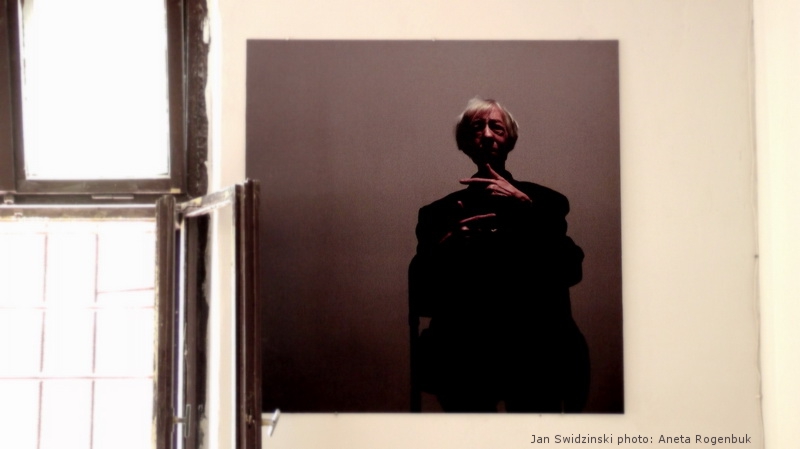
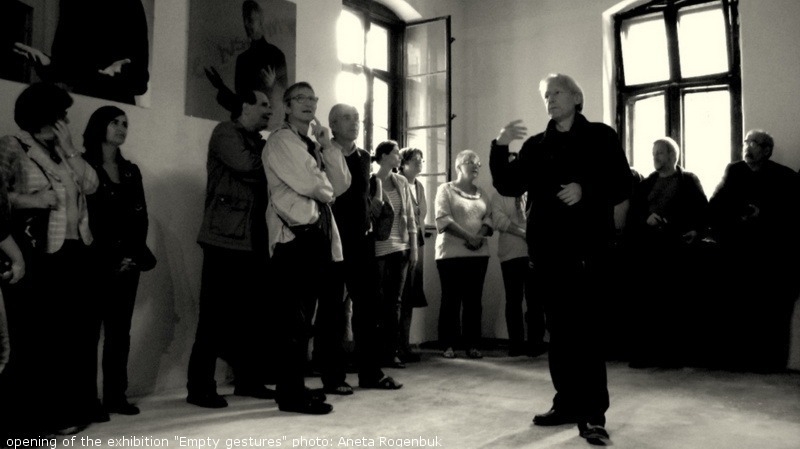
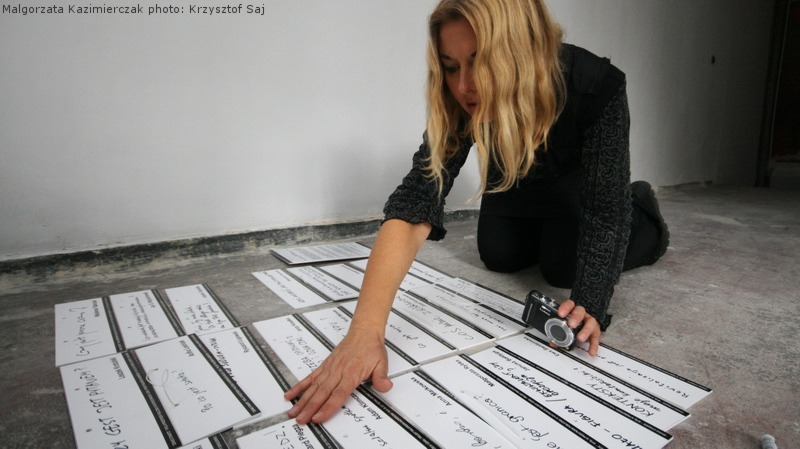
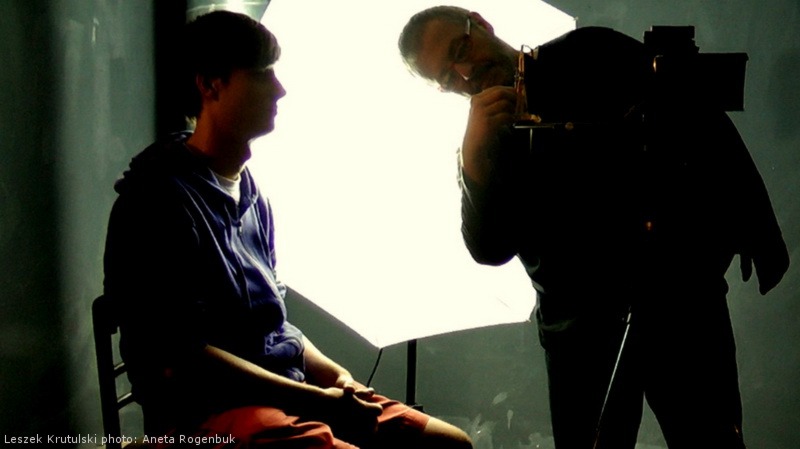
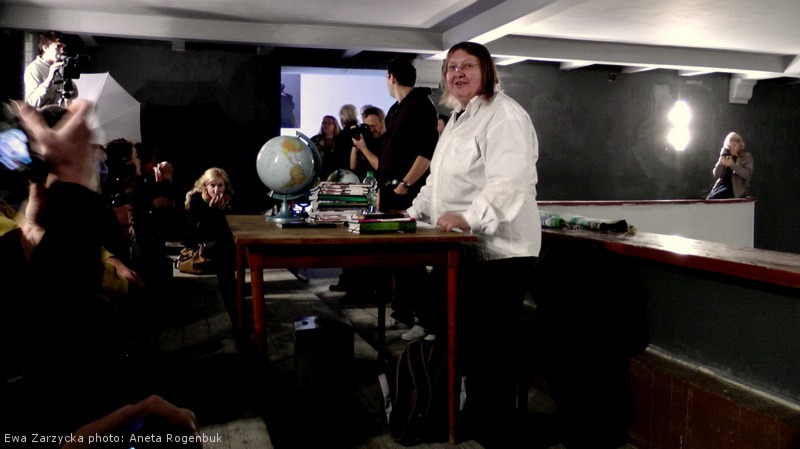
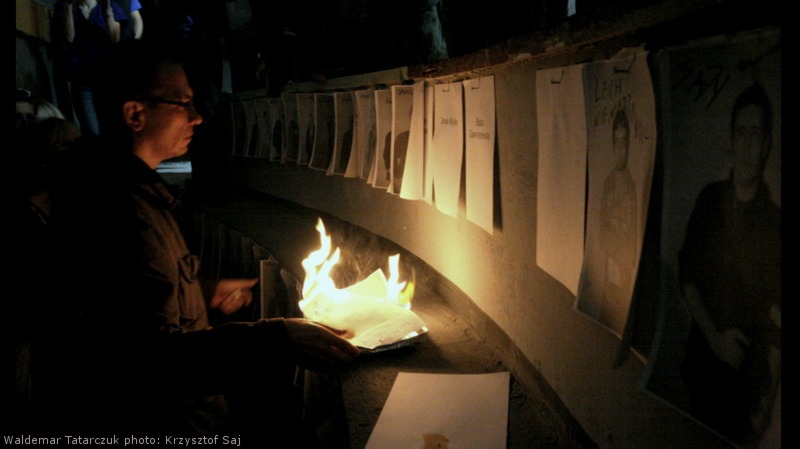
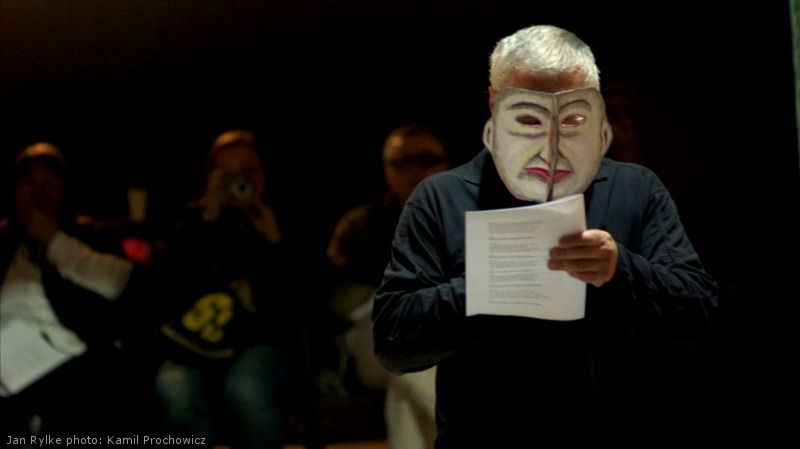
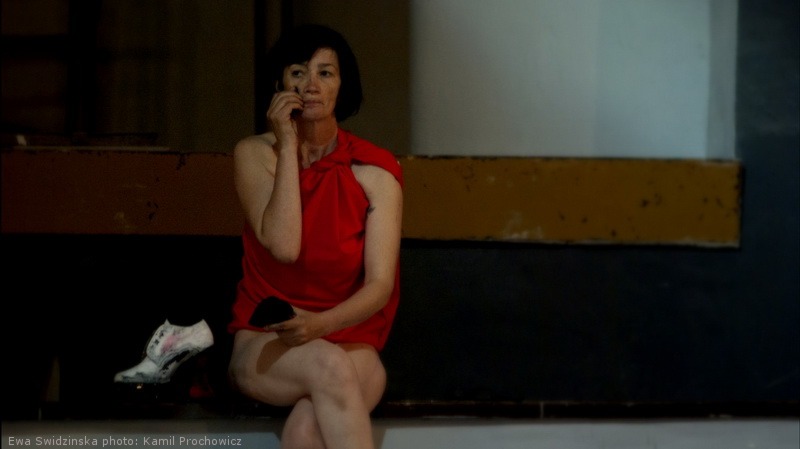
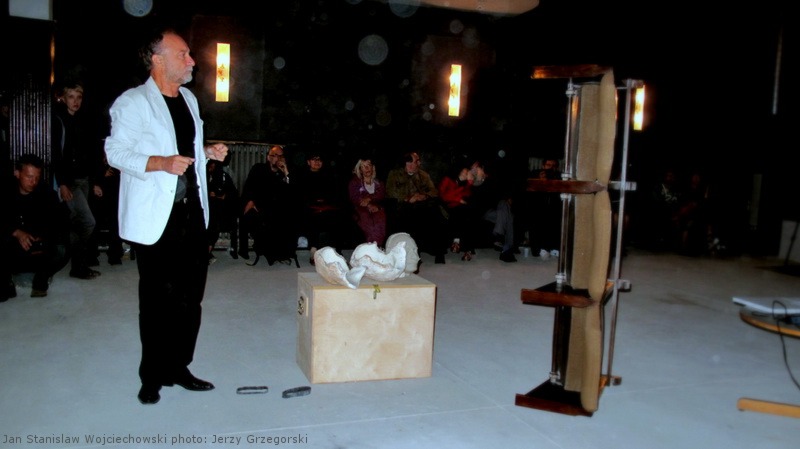
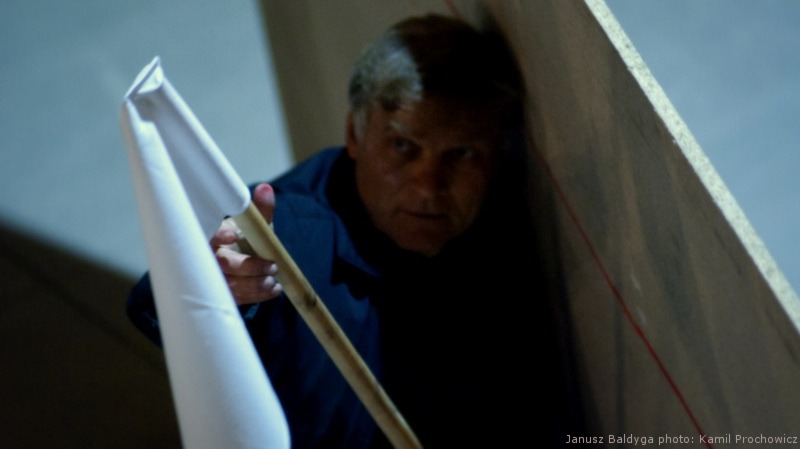
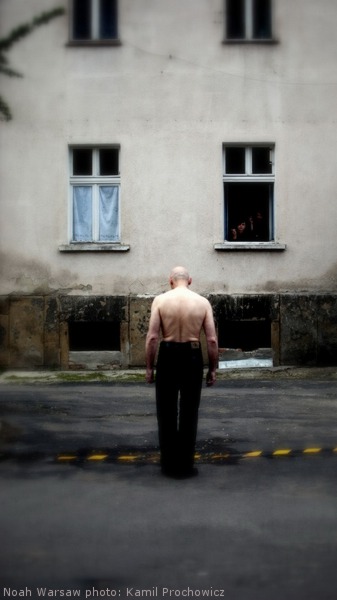
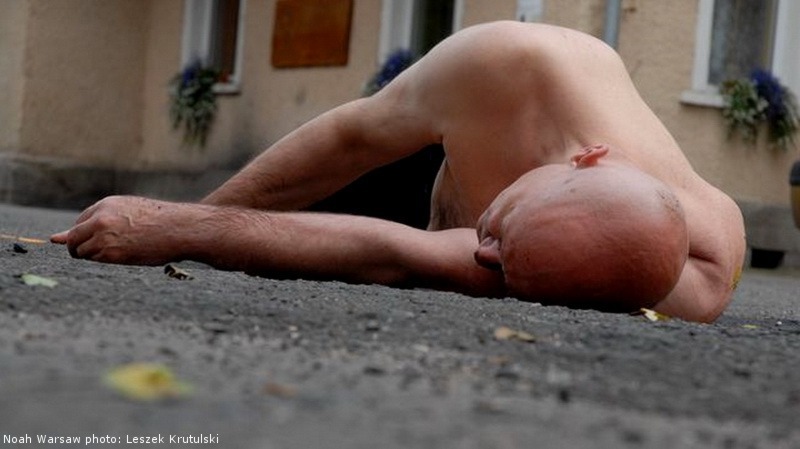
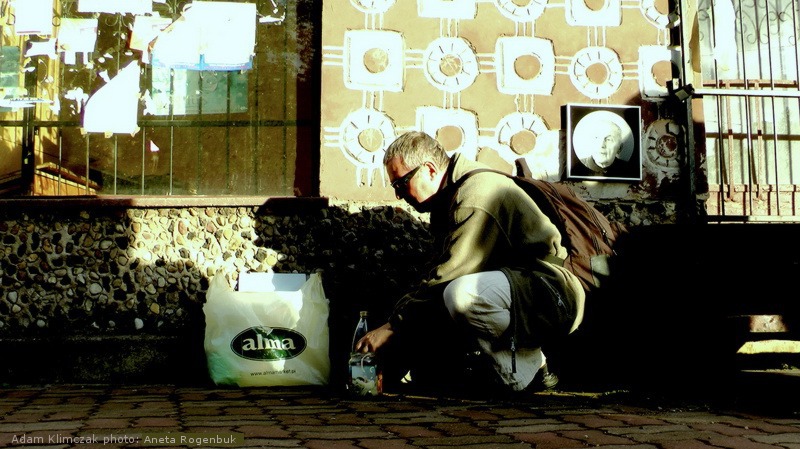
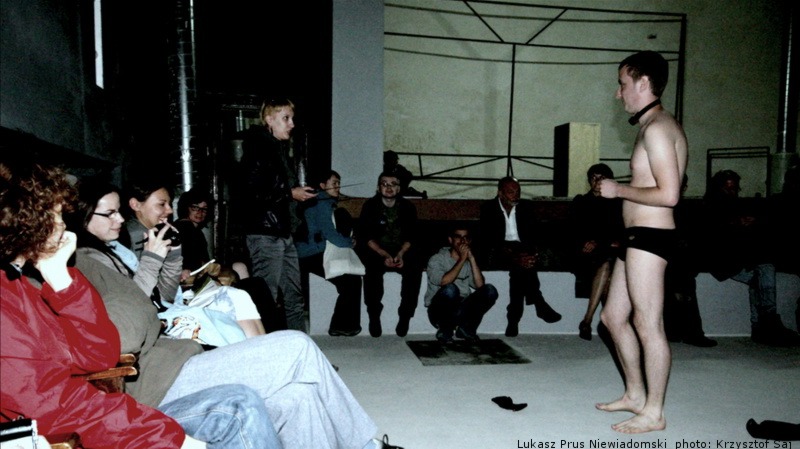
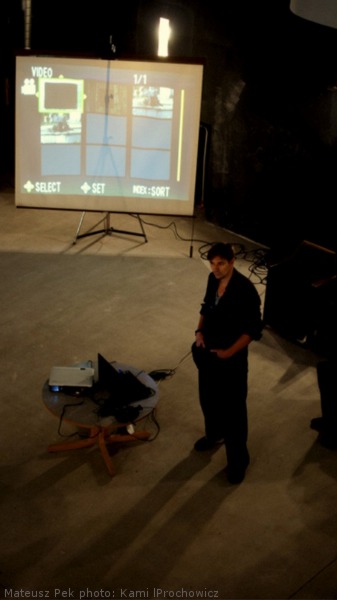
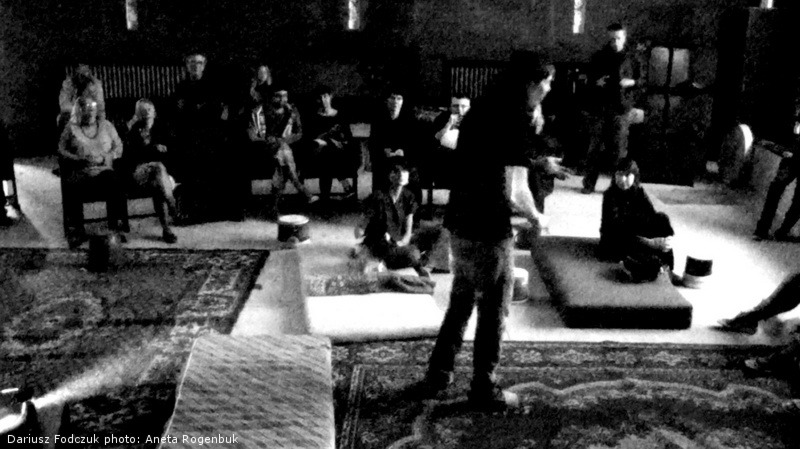
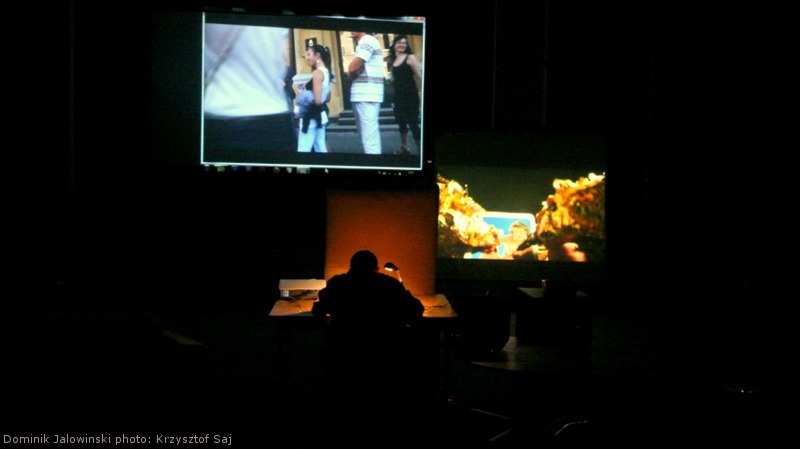
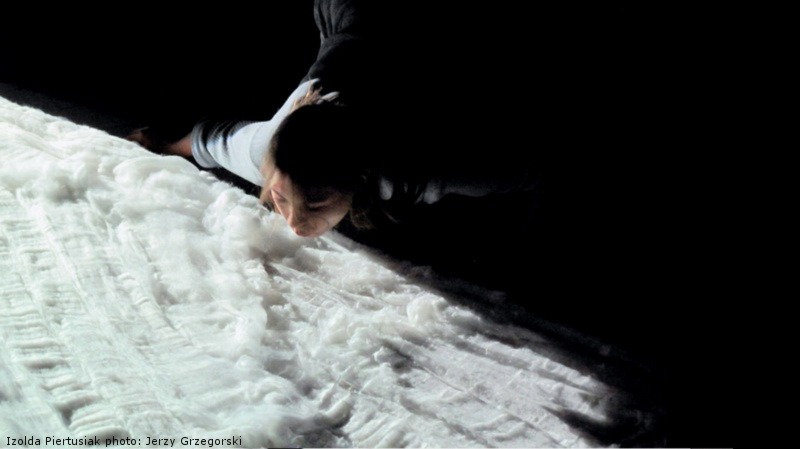
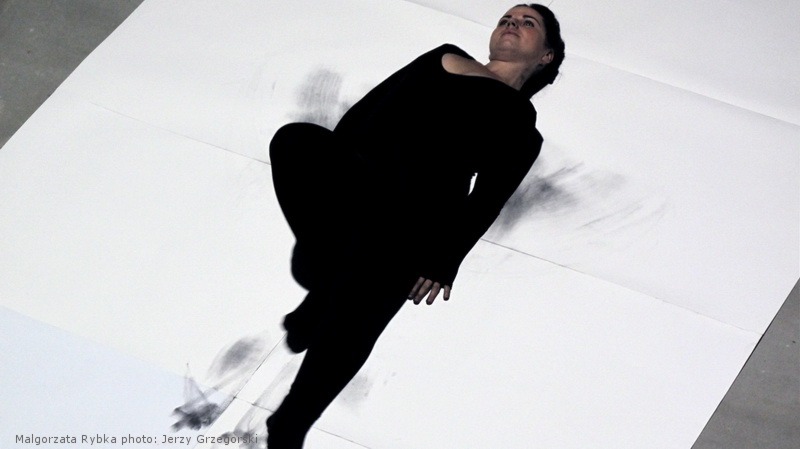
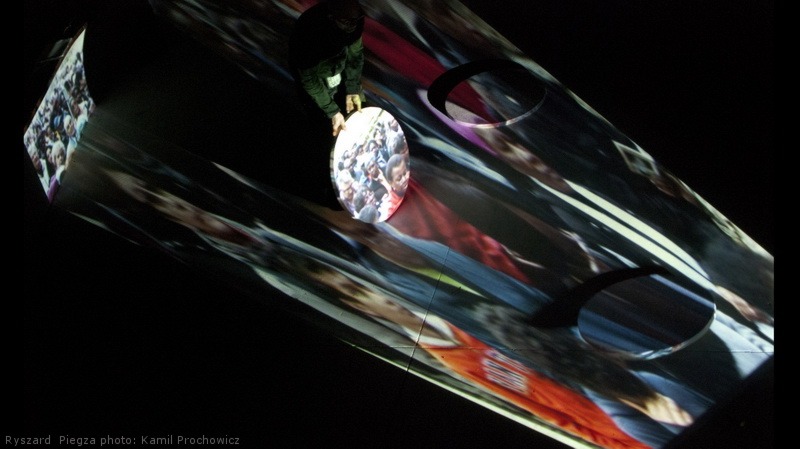
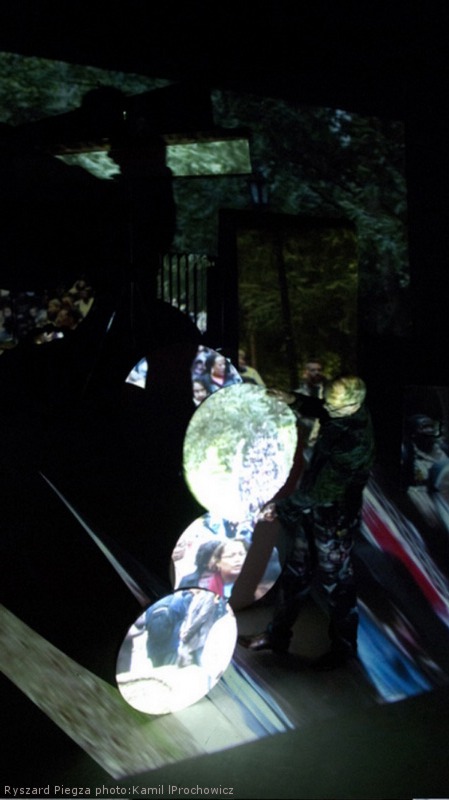
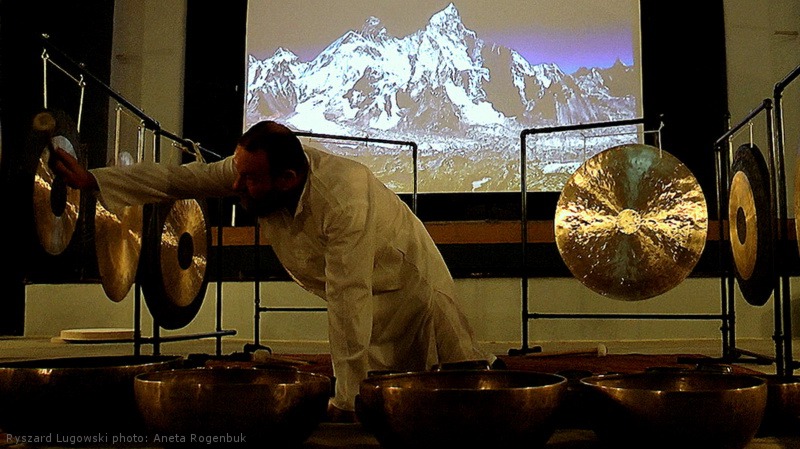
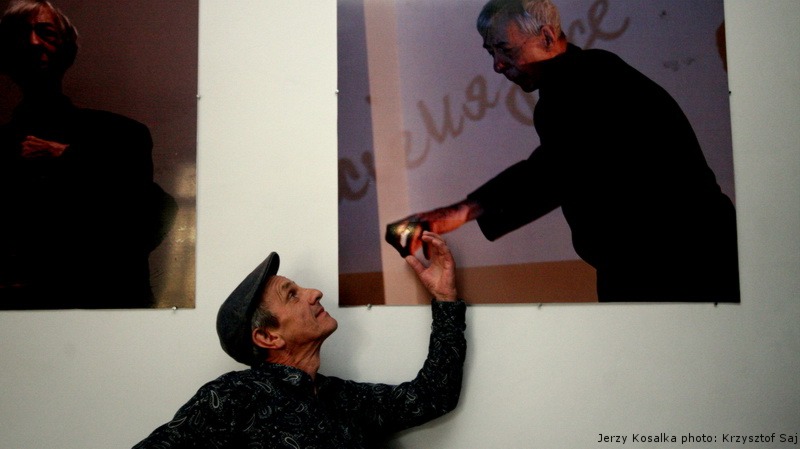
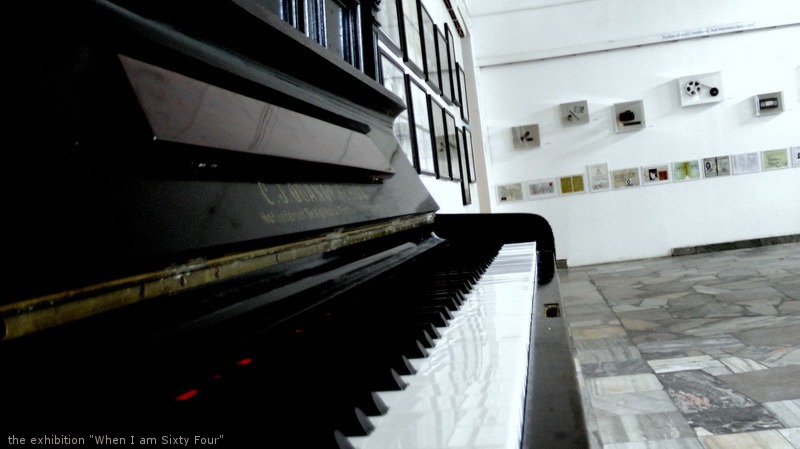
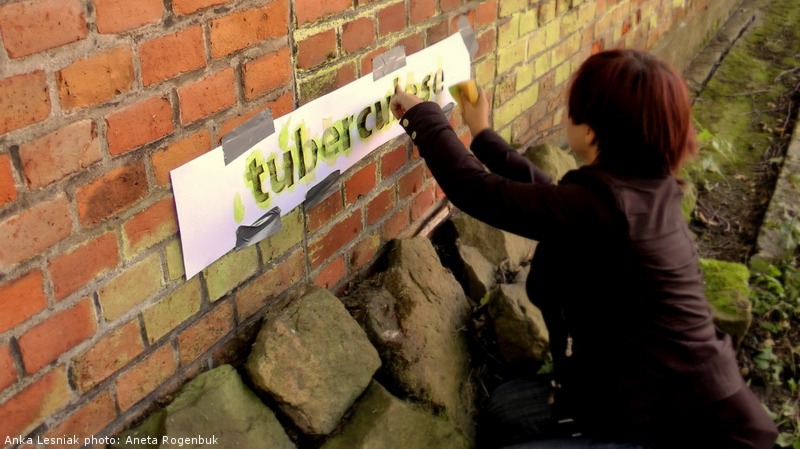
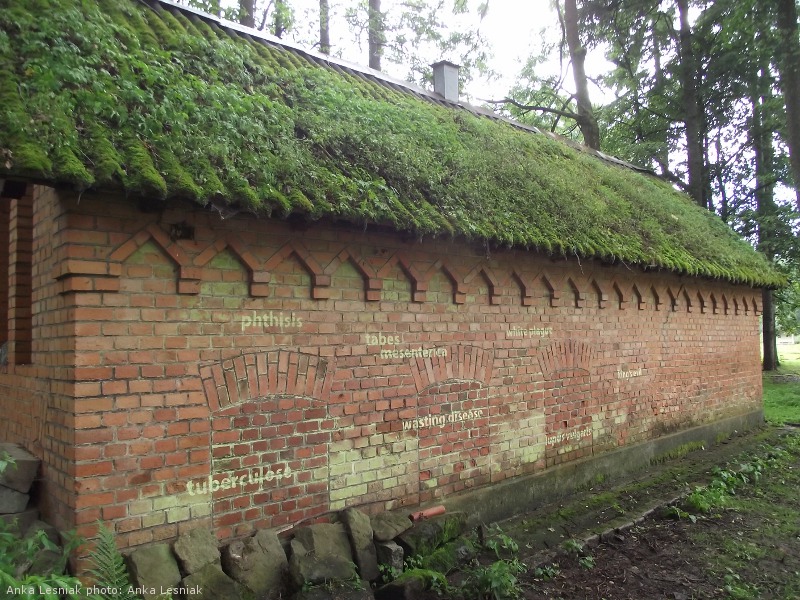
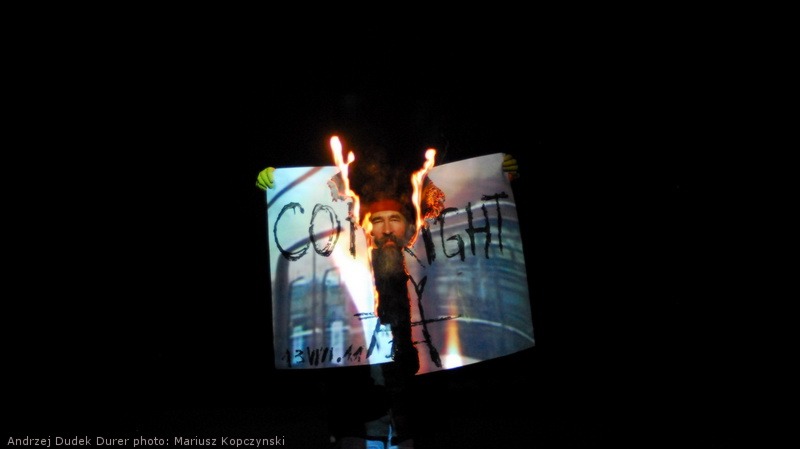
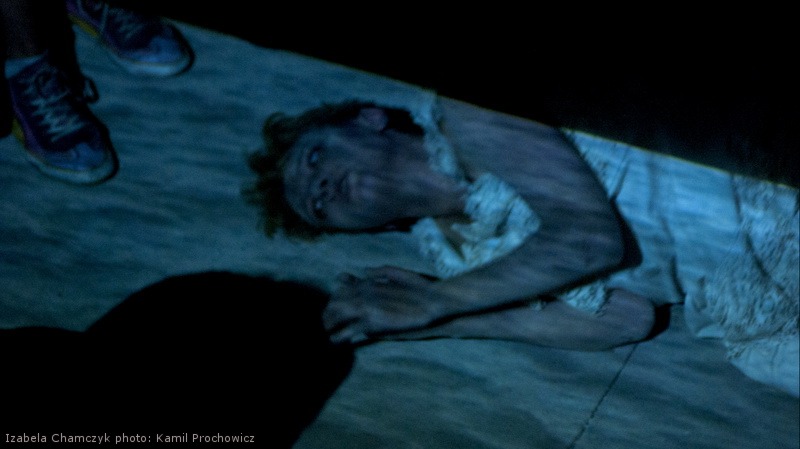
The Contexts Ephemeral Art Festival in Sokolowsko Anka Lesniak, 2011-11-11 The Ephemeral Art Festival Contexts took place in Sokolowsko, between August 10th and 14th, 2011. Sokolowsko is a small village in the south west of Poland, in the Sudety Mountains, near the Czech border. In the 19th century this place (that was then a German village called Göbersdorf) served as a health resort for patients suffering from tuberculosis. Many famous people, such as Gerhart Hauptmann, a Noble Prize winner, recovered their health here. After World War II Sokolowsko lost its significance and the splendid neo-gothic property of doctor Brehmer’s health resort turned into ruin. A couple of years ago the health resort, along with some neighbouring buildings were purchased by the contemporary art foundation “In Situ”. The main aim of the Foundation is to successively restore the neglected buildings and create an area for cultural meetings. Around 30 artists and 9 theoreticians took part in the Contexts Festival. The curator of the event was Lukasz Guzek, who does research on Polish performance art. The title of the festival (Contexts) can be understood in two ways. In a literal, colloquial meaning the term "context" refers to every aspect of reality, but it also refers to the specific understanding of the term proposed by Jan Swidzinski in his theory of contextual art. The latter “context” is expressed in so called contextual formula: “A subject 'O' takes meaning 'm' in time 't' and place 'p', in situation 's', in reference to person / people 'o' then and only then. In this sense contextualism is a “seal”- a particularisation of a colloquially understood “context”. Jan Swidzinski is the creator of the contextual art manifesto from 1976. He played a leading role in the introduction of new artistic forms related to the idea of conceptualism that prevailed in the early 70s and the evolution of those forms. Swidzinski knew well Joseph Kosuth, the creator of conceptual art, and this can be seen in a film, also presented at the festival, directed by Piotr Weychert. The film is a recording of a conversation (that took place in 2008 after nearly 30 years) between these two artists in which they concentrate on their artistic pathways, from conceptualism to postmodernism. Initially, Jan Swidzinski was supposed to be the main guest of the Festival. The idea was to invite artists and theorists who had anything in common with him as a person and with his theory, and also young artists ready to take up a dialogue with the idea of contextualism. But with time it became clear that due to his poor health Jan Swidzinski would not be able to come to Sokolowsko. Therefore the premise of the festival shifted from the main context of Jan Swidzinski’s concept into a wider understanding of the term “conceptualism”. The list of invited artists and the details of the event’s schedule reflected the change of program. Evidently for Jan Swidzinski, performance art became the most important artistic field of practice. Swidzinski from the very beginning of the Interakcje Festival in Piotrkow Trybunalski (Poland) has been its main ideological patron. Performance was also the main art genre presented during the Contexts Festival. In addition there were film screenings and many presentations by the In Situ Foundation. A large part of the Festival activities took place in an old cinema from before World War II, that had been neglected for many years and recently restored to its original function by the In Situ Foundation. The opening of the Festival August 10th, 2011 During the opening day of the festival there were two exhibitions. The exhibition entitled Empty gestures devoted to Jan Swidzinski referred to the title of his performances which he has devised for many years. He performed a series of “empty gestures” that we make involuntarily or instinctively, and that do not mean anything by themselves, and only their context gives them a proper sense. The exhibition consisted of (1m x 1m) prints showing 6 gestures. Each of them was part of a performance made during several editions of the Interakcje Festival in Piotrkow Trybunalski. The photographs were taken by Mariusz (Marchewa) Marchlewicz. The second exhibition, entitled Local activities, was prepared by Anna and Romuald Kutera. It consisted of documentary photos and an original poster from the 70s. Local activities was a common artwork by Jan Swidzinski and a group of artists from Wroclaw, including Anna and Romuald Kutera. Local activities was a form of working through the theory of conceptual art in practice. The artists went beyond the institutional art context and beyond the city environment where the galleries, museums and academies usually function and searched for a non-artistic context for their art. In the example that was shown during the exhibition they travelled to the countryside – to the Kurpie region of Poland. The exhibition showed documentation of their ethnographic research and scrutiny of the culture of Kurpie from an artistic perspective. It included conversation records, music, photographs of daily life, the interiors of houses and decorative activities. Throughout the Festival there was also an ongoing project by Malgorzata Kazimierczak entitled An open sentence. A thought in the public environment in the context of space and time as well as Leszek Krutulski’s project entitled Halfportraits. Malgorzata Kazimierczak handed small plates to the Festival participants and asked them to write one open sentence (that means a sentence which is not a “yes” or “no” question), then the artist filmed the participants reading their sentences to the camera. Leszek Krotulski photographed the participants in such a way that only half of their faces were lit. The first day of the Festival: August 11th, 2011 Ewa Zarzycka started the performance programme of the Festival. This time, as usual, she told stories that were half true, half imaginative. Notebooks and globes were her props. The performance of Waldemar Tatarczuk consisted of two parts. Each part was presented during the two consecutive days of the Festival. During the first part, the artist photographed the Festival participants. Afterwards he printed the photos and arranged an exhibition of the prints. During the second part he burned every print, one by one, saying the names of the models aloud. Jan Rylke made a performance St. George’s cruel fight with the dragon. The revival of a tragedy. The artist hung large images referring to the legend of St. George’s fight with a dragon that was a personification of evil, in the cinema space. The idea of the performance was to act out a pastiche of the opera, “an ancient tragedy” composed by the artist together with the audience. The viewers were given the opera libretto, the artist read the stanzas and the audience read the chorus. Ewa Swidzinska appeared on the stage completely naked with a huge suitcase of props. She took them out, one by one, and performed various activities with them. There were nail polish bottles, face powders, dresses, shoes etc. The whole act referred to the identity of the artist as a woman. The artist has dealt with feminist issues in her artistic activity for a long time. Jan Stanislaw Wojciechowski in a performance entitled Inside Out Outside In initially took head-shaped sculptures made of clay out of a series of plaster cast forms. Then he destroyed the head-shapes creating an abstract kind of sculpture. The performance of Janusz Baldyga referred to the present unobvious idea of a national identity. The artist started his performance by telling a story about a sportsman who wanted to show up at an event with an eagle on his t-shirt (Polish national emblem). He actually did this, but only after his emigration to Germany and it was a German not a Polish eagle. The main prop in the performance was a huge and heavy board, which he hardly managed to hold upright. The artist moved along it and drew red lines with two crayons on it. During the whole performance the board leaned on the artists hands. In the end he placed it on metal stands on top of which he put two white flags. Then he moved to the next part of the performance, in which he threw the flags in front of himself. When the flags were laying on the ground, on their surface he drew lines to divide them, the first one was divided in two parts and the other into three. At the very end he named the colours of the Polish and German flags. Noah Warsaw made a meditative performance in a style that is typical for the artist. He chose an area in front of the cinema, on a little bridge over a mountain river. Before the action he sprinkled the space where he was going to perform with some water and then he lay there half naked and motionless for nearly 20 minutes. Knowing that his artistic activity is concentrated on the connections between the energy of his own body and the energy of a place, we realise that the choice of this exact spot was not a coincidence. After a lunch break there was Adam Klimczak’s action in Sokolowsko village. Starting from the cinema entrance the artist marked several points in the area of the village. Each point served as a setting for a specific ritual that referred to his father who had recently passed away. In each spot the artist hung a photo of his father with a symbolic slice of bread and told a family anecdote. He also had a kind of symbolic feast there drinking a shot of vodka and eating some homemade products, such as herrings and marinated mushrooms, which his father used to prepare by himself. In the evening there was a meeting with Jozef Robakowski. The artist presented a selection of films from various periods of his artistic activity. The clue was showing the connection between an action itself and a film that documented it. There was a discussion after the presentation The second day of the festival: August 12th, 2011 Mateusz Pek presented a performance Repeatable figures authentic choices. The artist played a pre-recorded audio layer that consisted of slogans coming from commercials and the artist’s statements and joined this audio with a film made in Sokolowsko that showed various objects and places. The main aim of the artist was to combine the text and image into a confabulated whole. Pek referred critically to our commercialised, consumerist reality. In his opinion artists are today immersed in it, rarely they treat it with a proper distance and irony. Dariusz Fodczuk made a performance that required an active involvement of the audience. Its final effect was achieved when the spectators laid down relaxed on mattresses in a darkened cinema, contemplating a “starry sky”, which the artist created for them using his i-phone display. Dominik Jalowinski’s performance consisted of two elements that were of two projections on two screens. In the first one the artist was standing in the queue, taking golden eggs out of his bag, peeling off their golden shells and eating them. It was not said in the film what the people in the queue were waiting for. The other was a live video linked projection. On the screen we could see the artist’s hands covered with gold leaves smearing the private parts of pornographic playing cards. Izolda Pietrusiak performed hidden in the orchestra pit under the stage. The place of action was marked by a projection on a screen made of a fluffy material and placed on the floor. The artist walked on it and unravelled her hand-made socks that she had on her feet. The sense of the performance was getting into the spirit of the sensual character of the materials used. Malgorzata Rybka made a drawing using her body. The artist was dressed up in a black, tight costume, covered (as it later turned out) with charcoal. She laid down on a large sheet of paper and left the trace of her body on it. The performance of Ryszard Piegza entitled The alien is coming referred to a video chosen by himself. In the beginning of the action the performer walked around the stage holding a small portable video projector that was projecting an image on his feet. There was also a projection showing a crowd of people walking to an unknown destination. The film was projected in slow motion and accompanied by a strange psychedelic sound. Afterwards the artist used his usual props - circles of approximately 50 cm in diameter that he entered into the projection so that the circles became screens. The artist operated them in a way that allowed him to zoom in some elements (figures or faces from the projection). After the projection ended, the artist acted with the circles for a while yet, turning and rolling them to obtain a rhythmical sound. Ryszard Lugowski played a concert The roof of the world using Tibetan bowls and Chinese gongs. Photos of the Himalayas made a background for the concert. The last performance that day was made by Jerzy Kosalka, who performed his “full gesture” on a background of Jan Swidzinski’s exhibition Empty gestures. The performance was a kind of joke, and included elements of wit and twist, that are characteristic for all Kosalka’s artistic activities. After a lunch break there was the opening of Zygmunt Rytka’s and Krzysztof Wojciechowski’s exhibition entitled When I am Sixty Four. For his 64th birthday Zygmunt Rytka prepared a set of photocopies of his personal IDs, passports and other documents collected during his lifetime. In the evening there was also a presentation of my own installation. It was created on the wall of a former morgue, built next to the sanatorium for people suffering from tuberculosis. I used the names of tuberculosis and its types, in various languages. They sound mysterious, some have a metaphorical character. Looking at the low building, hidden among trees, with its roof covered with moss, I thought that tuberculosis, through its incurability, was a romantic disease to a certain extent. Often young and beautiful heroes of 19th century novels died from it. Hence the idea of placing the mysterious inscriptions on the building. Their colour corresponded with the greenish layer on the brick walls. An element of the installation was also a quotation from Gerhart Hauptmann’s novel Wanda, which in its first version was entitled Demon. Hauptmann stayed in Sokolowsko and supposedly wrote the novel there. The quotation is: “She murdered me in a hundred ways, so that I do not have even the slightest sign of life”. It refers to a young “fallen” woman – an angel and a demon in one. In the context of the place however, the inscription taken out of the context of the book, generates new meanings. In the evening there was also a projection of Witoslaw Czerwonka’s movie. The show started with the presentation of the artist’s newest project entitled Video Machine, prepared especially for the Festival, consisting of a site-specific installation and an extended movie. This machine was simple. It consisted of a static camera placed in such a location that it showed a fragment of the main road in Sokolowsko. The audience in the cinema were able to watch the image. The other two elements of the machine were an archive of photography showing (as it later turned out) a portrait of Jan Swidzinski talking with Zygmunt Rytka, and a mirror. When the artist activated his machine, the image shown on the screen seemed to be abstract in the beginning. With time it became clear that in front of the camera there were a photo and a mirror moving in a swinging motion. Each of the components moved at a different speed. The audience in the cinema saw an image that seemed to be a movie edited in alternate scenes, appearing at variable time intervals, which resulted from the various heights of the elements. In effect, we could see an image of the street with images “edited into it”. Initially, the original image showing the street in Sokolowsko appeared the longest. However, after some time the lens of the camera and the photo appeared on the screen more frequently and for a longer time, so that the idea was becoming much clearer. The last picture showed the lens of the camera. Witoslaw Czerwonka also presented his documentation of one of the major events that opened up new perspectives in Polish art after the fall of communism in 1989. It was the Real time - story telling performance art festival, which took place in Sopot in 1991 and whose curator was Jan Swidzinski. The third day of the Festival: August 13th, 2011 The third day of the Festival was devoted to a discussion panel about Jan Swidzinski’s artistic practice and his theory of contextual art. The symposium was attended by scholars from various academic centres – art historians, philosophers, aestheticians and art critics, as well as artists participating in the Festival: Anna Markowska, Lukasz Guzek, Kazimierz Piotrowski, Bogusław Jasinski, Adam Sobota, Andrzej Saj, Grzegorz Borkowski, Jolanta Ciesielska. The discussion will be published in the journal “Art and Documentation”. After the symposium Wojciech Ciesielski, a curator from the National Museum in Szczecin, made a presentation about documenting contemporary art exhibitions in museums. Also Andrzej Dudek-Dürer presented the documentation of his works. The festival evening started with two performances by Andrzej Dudek-Dürer and Izabela Chamczyk. Andrzej Dudek-Dürer’s performances are meditative. The background of the action was an image projected on the floor. An element of the picture was a flame. The artist walked around the image. Music played a significant role in the performance. In his final gesture the artist picked up a large sheet of white paper, changing it into a screen on which the flame was projected. Then he signed it and set fire to it while holding it in his hands. Izabela Chamczyk asked the audience to gather in the centre of the cinema. She then projected a sea view of waves hitting the shore directly onto the people. After a moment she appeared dressed in a long white dress and entered among the spectators. The public split and concentrated along the borders of the projection, leaving space for the artist. She laid down on the floor and started to roll from one edge to the other, stopping at people’s feet. The performance was quite long. The audience that was aware of the artist’s extreme effort, started to gradually narrow the space of her action moving closer to her, until she finally had no space to move and had to finish the performance. An interesting aspect of this performance was the unexpected interaction with the experienced audience who acted intuitively. Most of them were performance artists and people involved in art. Finally, there was a series of documentary films, including the above mentioned movie by Piotr Weychert, featuring Jan Swidzinski and Joseph Kosuth. Boguslaw Jasinski showed movies about his project entitled Poetrification. We could also see a show prepared by WRO Art Centre, that related to actions that use the technology of projection. The fourth day of the Festival: August 14th, 2011 During the last day one could see the second part of the WRO archive film collection and Krzysztof Zarebski’s films shown by Kazimierz Piotrowski. The artists meeting in Sokolowsko all in all was a successful event. The schedule was very intense, but thanks to its diversity (there were performances, projections, discussions, exhibitions) it was possible to avoid exhaustion and routine. The event was of high artistic and scholarly level. The only complaint that can be made, deriving partly from the fact that the concept of the Festival had evolved, is the fact that the participating artists were mainly from an older generation. Only a few young artists were invited, including the students of the participating artists. But the Festival in Sokolowsko, as the "In Situ" Foundation declared, is an open, not a closed chapter of Polish art history. There will be subsequent editions of Contexts organised. Next year it will include foreign artists as well. |