








|
|
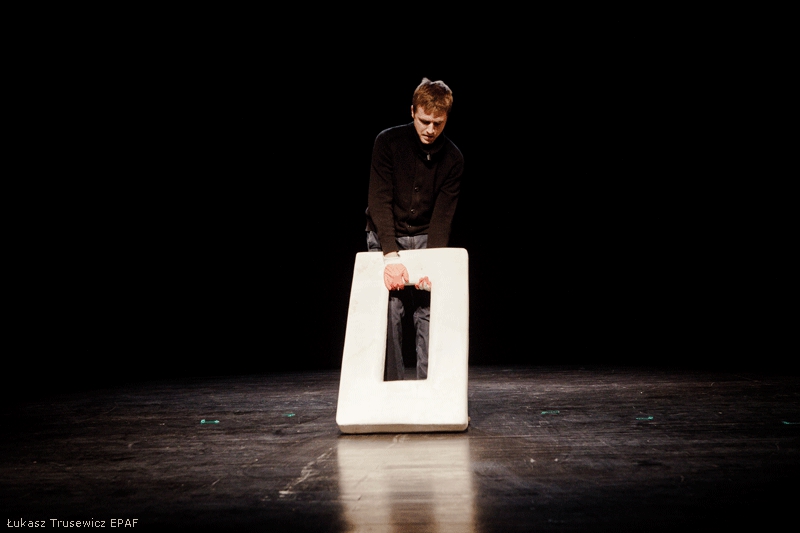
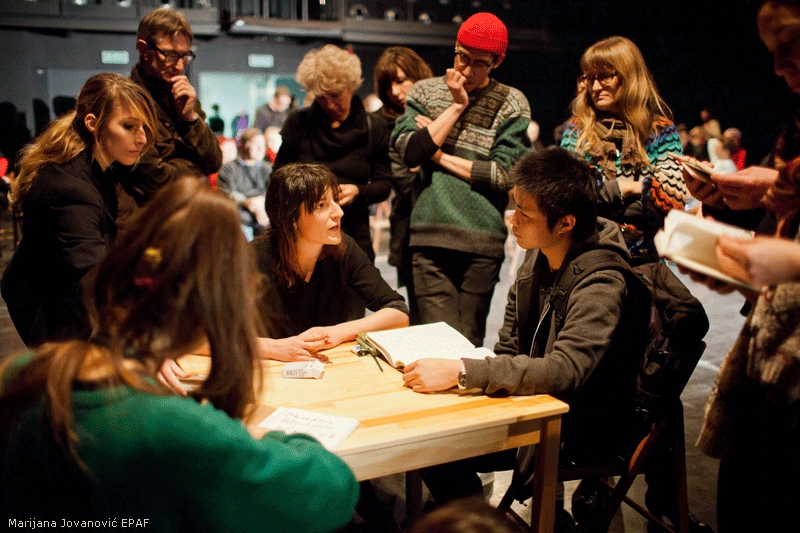
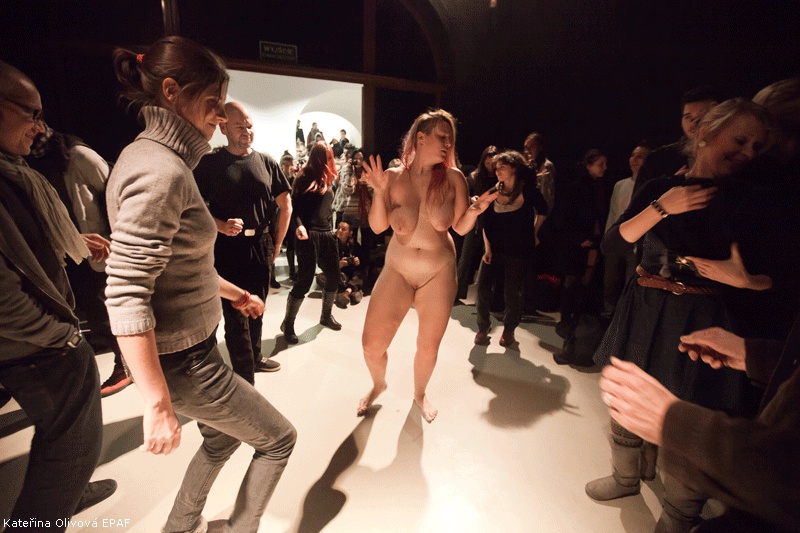
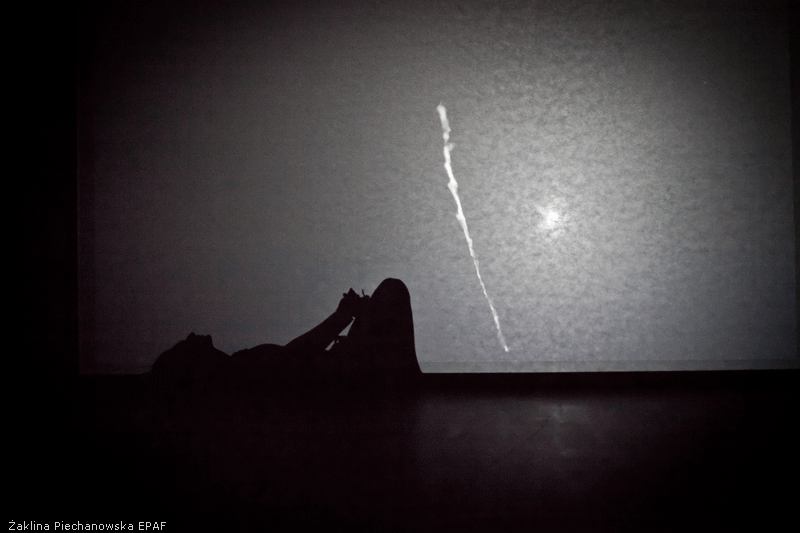
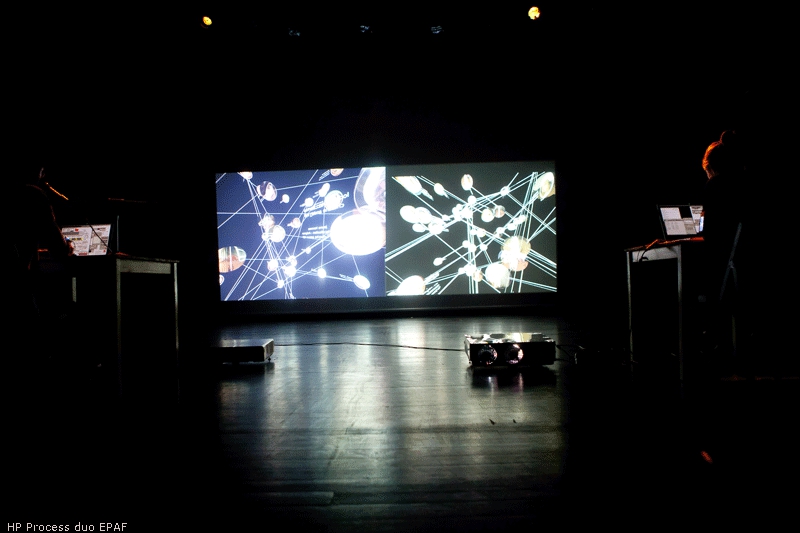
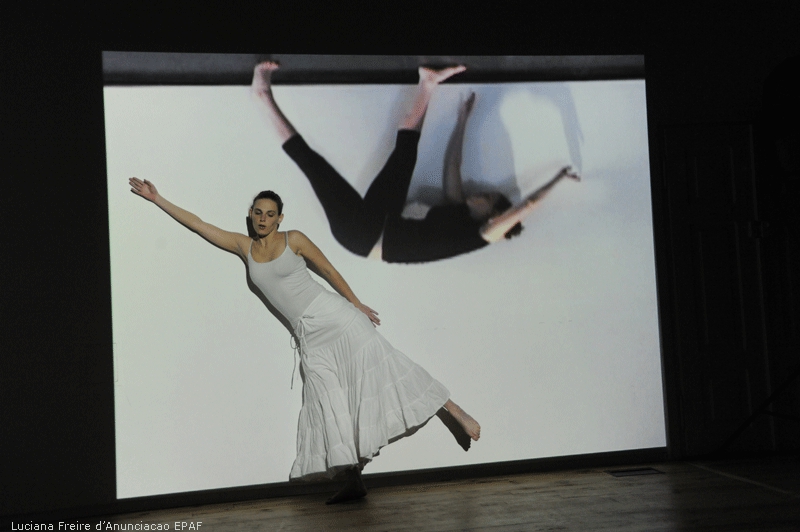
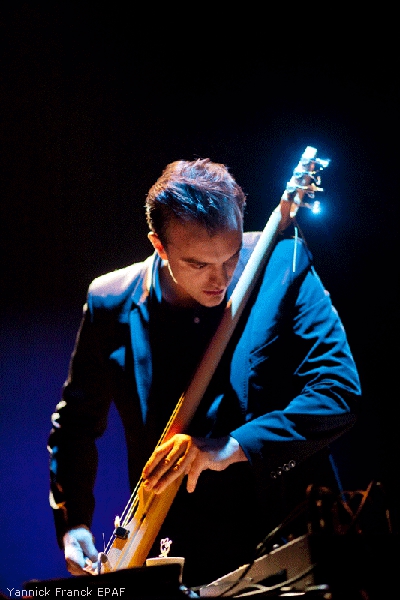
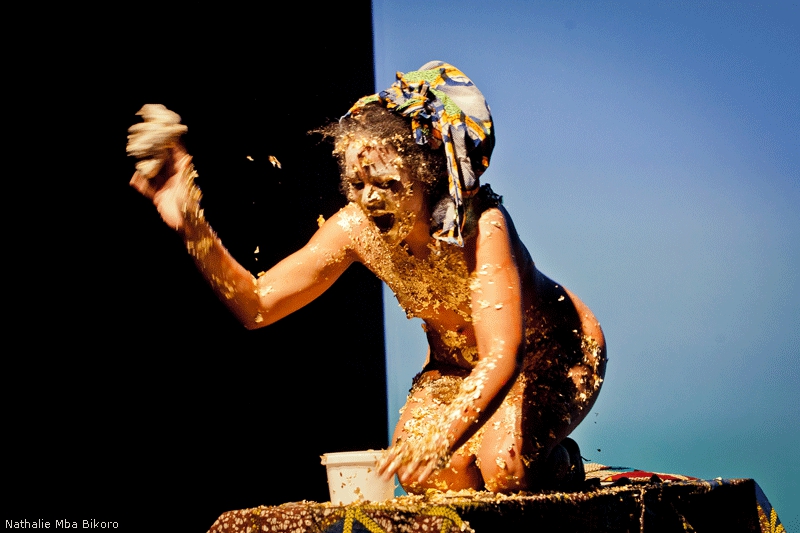
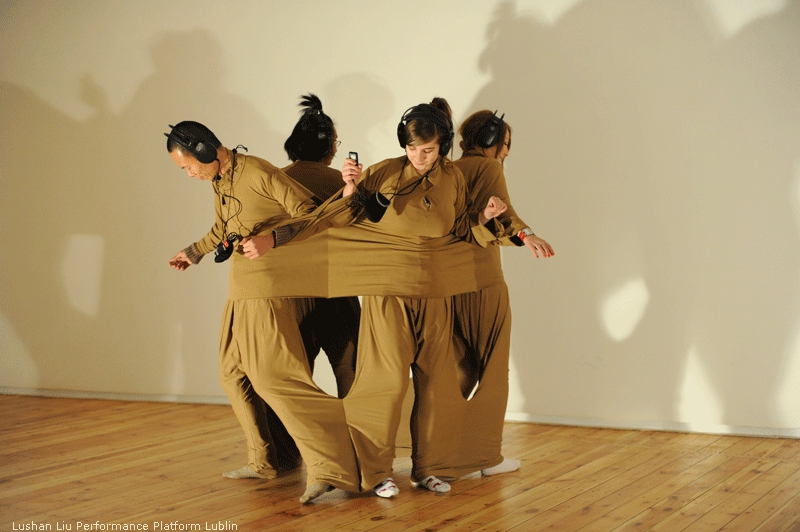
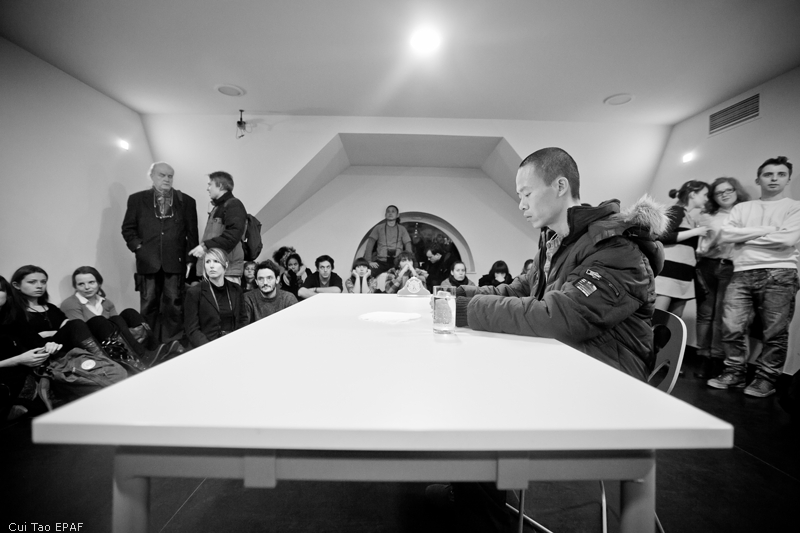
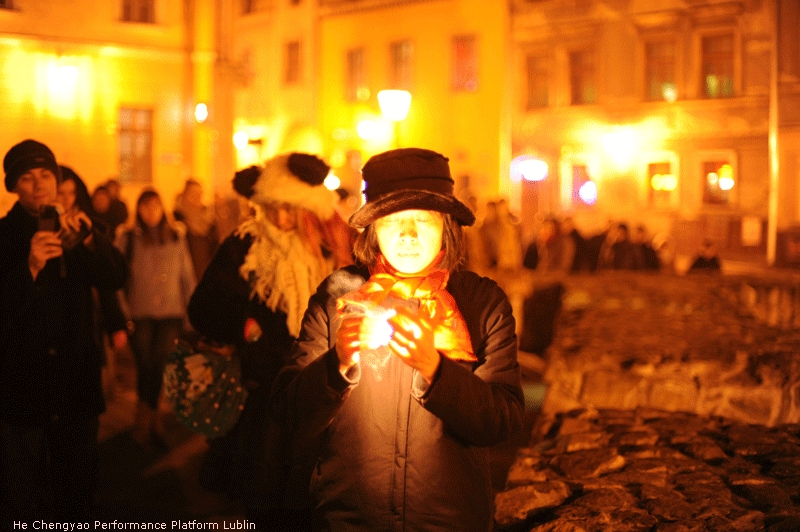
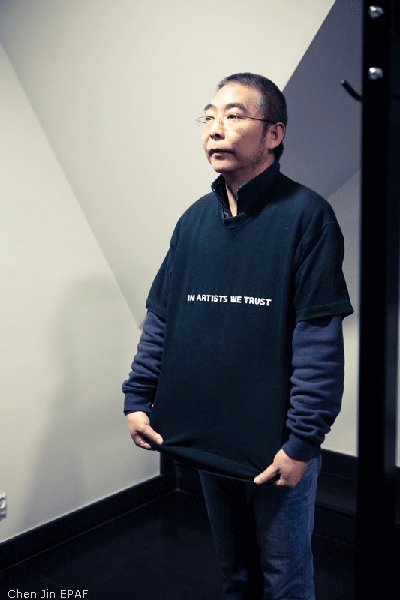
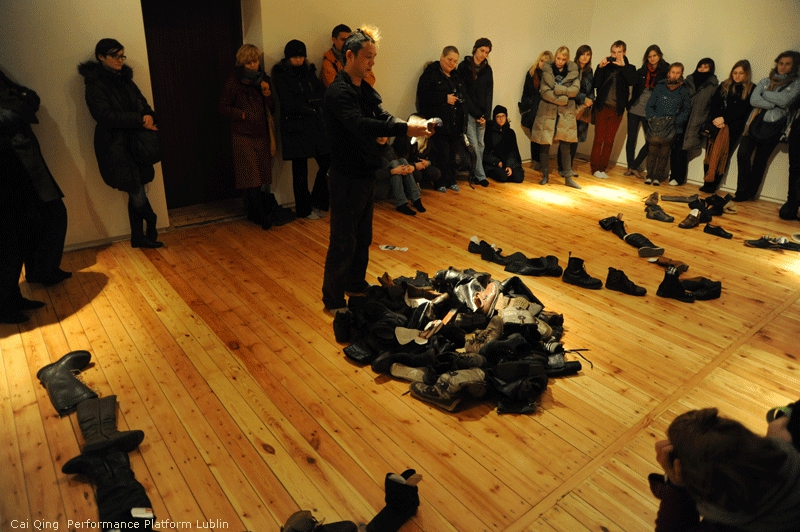
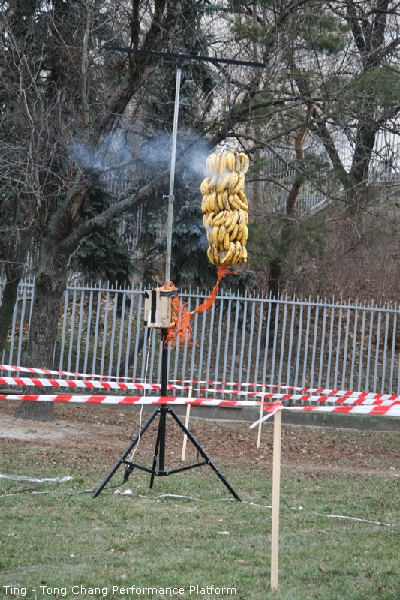
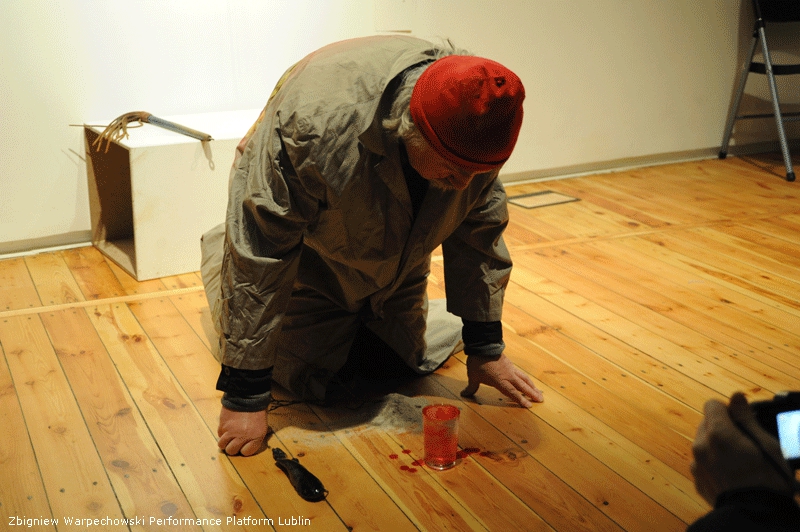
Two festivals, a few comments Magdalena Ujma, 2012-02-03 EPAF and Performance Platform Lublin were organised by the same institution and a similar set of invited artists, but were different when it came to their aims. Warsaw EPAF was more focused on monitoring the state of performance and refreshing performance art forms, and the Lublin Platform emphasised the need to educate spectators and co-operate. Both, however, concentrated on opening and airing the world of performance art. EPAF stands for European Performance Art Festival. In 2011 the organisers invited young and unknown artists. Special guests were artists from China, who were not beginners but not familiar to European audiences, either. The performances in Warsaw were universally conducted with a reference to theatre, which was imposed by the space. They would have resonated other meanings, if they had not been presented in such an ‘artistic’ space as the ‘Laboratory’ auditorium of the Ujazdowski Castle in Warsaw. This scene created a readymade frame, that some artists rebelled against, and some tried to somehow adjust to their work. Lukasz Trusewicz tried to apply the power of simplicity and direct contact with the audience in his performance. He presented a sculpture that was some kind of an emblem, a huge letter ‘O’ or a zero. He dragged it to the middle of the ‘stage, where he tried to break it using the gesture of an illusionist. It was not successful and the artist bowed and left. Marijana Jovanovic in her performance created an atmosphere of private conversations. With ease she switched between personal confessions to the issue of truth and fiction in a performance, aptly balancing between fantasy and sincerity. She focused the spotlights and cameras on the crowd, sat at a table, smoked a cigarette and invited people to join her. This break of division between the stage and seats area was successful. Jovanović filled her performance with herself and finished the monologues with a rhetorical: “is this performance art? I don’t know.” Katerina Olivova also broke convention and thumbed her nose at the spectators who were waiting for a show. She danced for a few hours, naked, to the rhythm of disco hits. Many (dressed up) spectators joined her, but only for a while. This naked body of a performance artist did not fulfill the criteria for attractiveness seen in commercials: it was real, sweating, not ideal. However, it was not the mindlessness of mass entertainment that was the essence of her performance, but an attempt to provoke openness with another person. Nudity was a provocation – it was as if she was calling: “notice me”. Zaklina Piechanowska confronted theatricality in the strongest way. She used a text of Rockaby by Samuel Beckett. An image from a screen intermingled with the shadow of a woman laying down, whispering words that were hard to distinguish. One could have walked behind the screen and seen that the artist was tearing a paper dress off herself. It was a hypnotising, suggestive image of dying. In performances by the HP Process duo (Philippe Boisnard and Hortense Gauthier), Luciana Freire d’Anunciacao and Yannick Franck, there was no attempt to break with theatricality. The theatrical space did not do much good for the performance of Nathalie Mba Bikoro – it took its power away. Lushan Liu found herself on stage playing the role of an outsider, a person who provoked a show to happen and directed the events as they unfold. The most impressive were, however, the artists who totally ignored the concept of a show. Cui Tao was sitting at a table counting his breaths through 19 hours. Quiet, attentive and motionless, he dragged everyone’s attention. He Chengyao hypnotised the public with her lips. It was as if a gigantic candy blocked her mouth like a gag. Then it melted and started to drip – down her chin, neckline, belly. There was a lot of violence in the image, or rather it was about violence. Other artists from China: Chen Jin and Cai Qing presented this kind of subtle understanding of performance that exists as an occasion to share, be together, show mutual trust. Cai Qing created an intriguing figure of an artist-petty thief, a scatterbrain. *** During the Performance Platform festival the artists felt more able to present their work in a site-specific manner than in Warsaw. Their performances largely dealt with the town, its history and memory. He Chengyao chose a square where the foundations of a 13th-century church have been excavated. She was methodically walking around the outline of a shrine, while lighting matches and covering the fire with her hands. Cui Tao was standing on busy Grodzka St. holding a candle until it burned. Chen Jin chose the photograph of a monument of the Majdanek concentration camp as a background and at a table he performed gestures suggesting eating a meal together or hugging someone. Cai Qing told everyone to take off their shoes and to arrange them to make the word „Love” out of them. The artists from China understood right away, that in Lublin one walks on history, that this place is haunted by spirits from the past. Artists from the West still presented more of a performance. Marijana Jovanovic during the presentation of her artworks told about her own life, full of traumatic experiences. She focused on the relationship with her father and being sexoholic. As it turned out later, the story was a bit exaggerated and her performance lead to the gesture of offering wine to the audience. Lushan Liu turned away from the spectators and divided them into ‘the initiated’ and the rest, which provoked various reactions – from euphoria to aversion. Katerina Olivova got undressed again. She performed a vocal improvisation, bristling with sex and then sat among the public. Everyone waited to see, who would dare to stop the situation. Lukasz Trusewicz first destroyed a green light, then caught it in his hands and dispersed shining particles around the room. Ting - Tong Chang made bunches of bursting bananas. They were put under the Castle, in a former Jewish quarter. The Performance Platform ended in a performance by Zbigniew Warpechowski. It consisted of simple actions – putting on a coat, carrying a glass filled with water, trying to plant a dry stick, sifting sand, injuring cheeks, drinking water with blood. Through these methodical actions the whole event took on a deeper meaning. It was a critique of contemporary art, in which the artist showed the emptiness and falseness of artistic activity. He wrote on a wall the word ‘abstraction’ and whipped himself, as if he was saying sorry for the vanity and pride of today’s art. During both festivals a discussion on the definition of a ‘true performance’ was avoided. The organisers’ aim was to provide an opportunity to talk, meet, take part in the process of creating art. During both events the spectator was treated seriously – as a partner, not a student in a huge school of art. Any revealing thoughts about broadening the formula for performance art were absent and the point of gravity decisively shifted to the issue of reception.
Performance Platform Lublin, 29.11-02.12.2011, Galeria Labirynt, Lublin, Poland |