











|
|
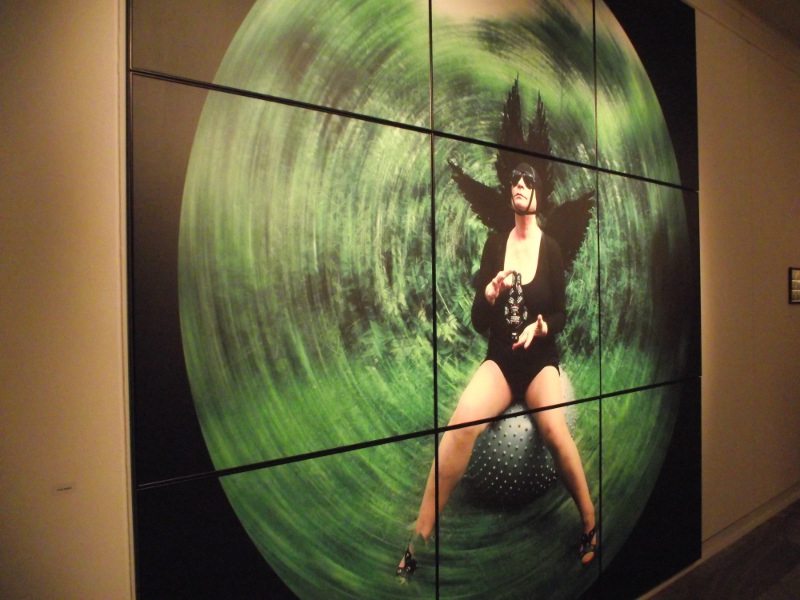
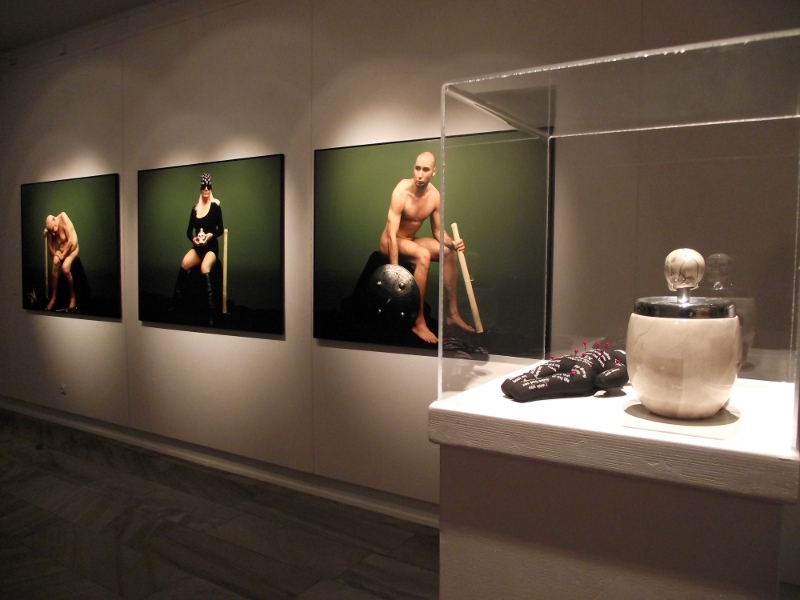
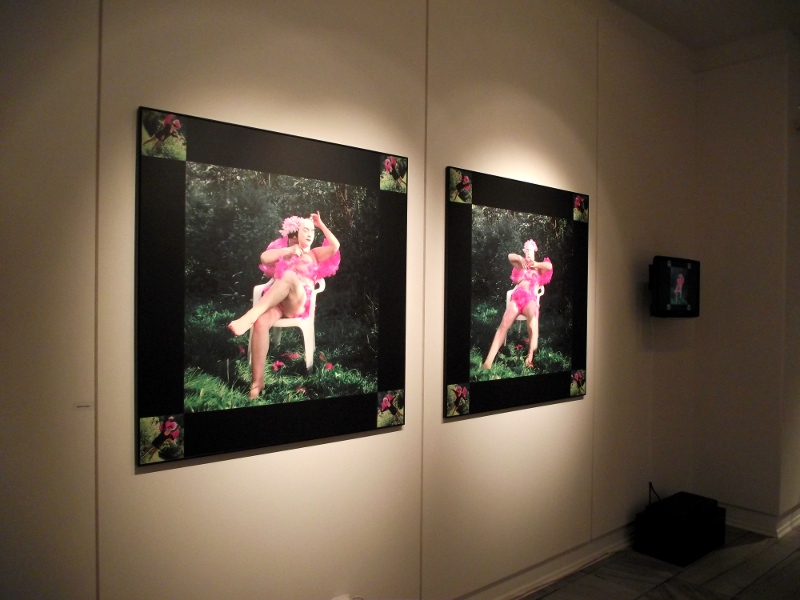
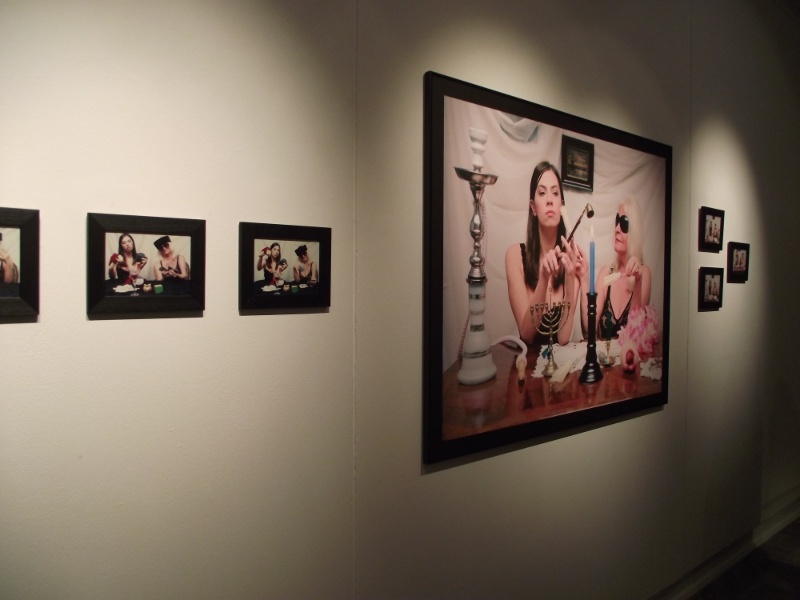
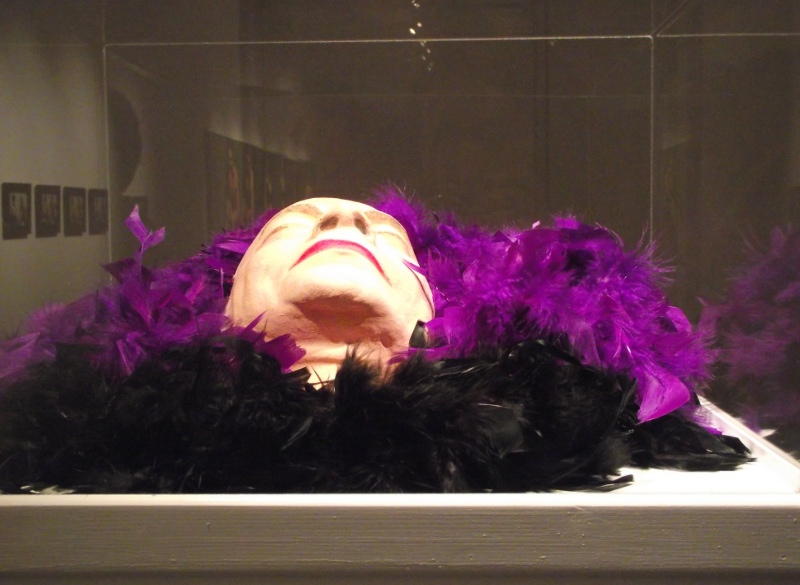
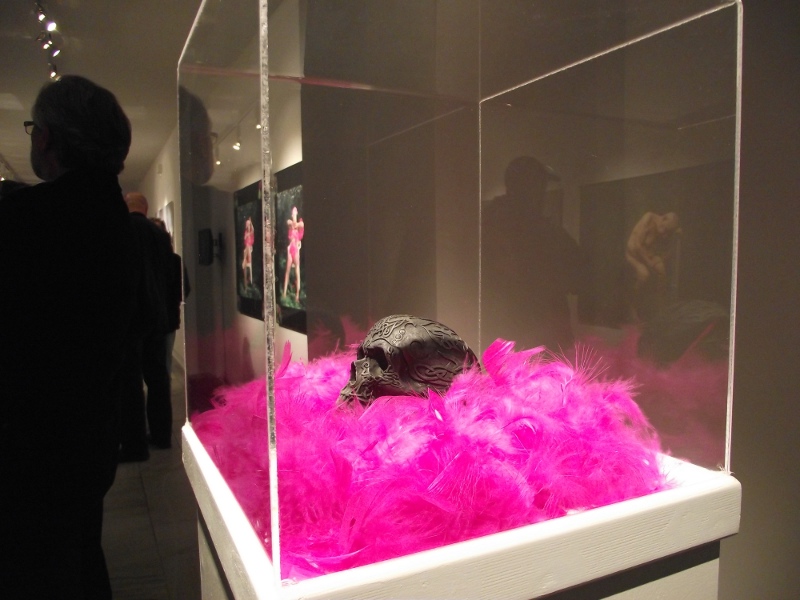
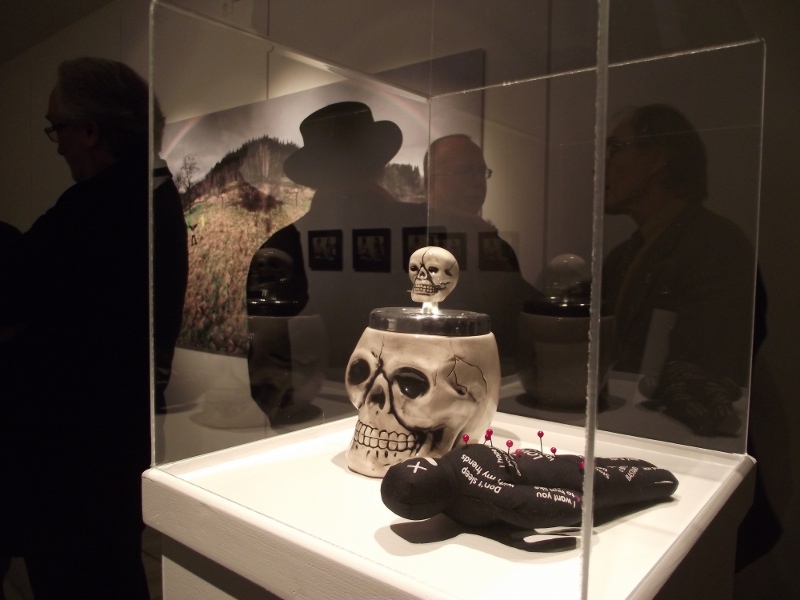
Natalia LL - Art as magic, Artist as a shaman Anka Lesniak, 2011-03-13 Natalia LL presented her latest project Private Magic from the series called Opera Omnia in FF Gallery (Galeria FF, Lodz, Poland, November 2010). Her project consists of photos, animations and objects. Photographs in which the artist appears in a mask or surrounded by ritual objects suggests many ways of interpretation. One of them, the most obvious, suggested by artist herself in the work titles, is the reference to myths. Odin figure, which appears in the work of Natalia LL is a figure from Germanic mythology. Odin was a master of Gods and the world, war and victory. He is credited with the invention of runic characters. He knew the art of magic spells, and was the patron of poetry. With ritual death and resurrection he gained extraordinary wisdom. Odin was accompanied by two ravens: Huginn – Memory, and Muninn – Reason. Odin himself also took on the form of a night-raven. Natalia LL’s exhibition began with a large format photograph titled Odin's Raven. It shows the artist sitting on a 'spiky ball'. The scene is a circle composition whose center is the artist herself, dressed in a black costume with wings. Dark glasses, which are an intrinsic attribute of Natalia LL image, have found their place in her presentation. Covered eyes create an impression that the artist-shaman hides a dark secret. The artist holds a voodoo doll in her hand. Typically, the voodoo doll is used to harm a person, but is also used in practices designed to protect. The landscape around the artist was spinning, as if suggesting the variability of human destiny, the blurring of boundaries between rationality and intuition, persistence and variability, life and death. This interpretation is continued in the triptych Transfiguration of Odin. On the first photograph we see a hunched old man, on the next one the artist is holding a skull in her hands. A third picture shows a young man with a shield. Odin through the transformation from old into young man reversed the natural order of birth and death. What is the function of a woman-artist located between the two incarnations of Odin’s figure? Perhaps she is the driving force which allows it to make a cycle of death and rebirth. The cyclical nature of time belonging to the realm of the sacrum is more revealed in the lives of women than men. Also the wisdom – Odin’s characteristic, in other beliefs is associated with the female, for example in Buddhism. Opposite to the dark coloured photographs from the "Transfiguration of Odin", were photos and videos Odin’s giggle. This time the artist, dressed in a pink dress with feathers and with a wreath on her head, is looking at the viewer from behind a cast mask of her face. Natalia LL also showed a series of photographs, where we see her together with her niece. The two women, surrounded by religious and ritual objects, look like they guard a secret knowledge. Items having a religious value to some people, for others merely knick-knacks brought back from exotic trips, through the photos of Natalia LL get their magical power that blurs religious divisions. Juggling objects of religious significance for different religions and placing them together with a deck of cards, plastic skulls and a bottle of alcohol, shows that the artist seeks to understand the world not by using specific beliefs or myths, but through what is happening where they all meet. The artists finds a mystery of existence in the energy and experience exchanged between an older and a younger woman, and by their personal ties. Opposite to the photographs of objects that could be used by a contemporary fortune-teller or woman-shaman to predict the future or to achieve an ecstatic state, hangs a large photograph. A video is displayed on which the artist gives us signals by using a semaphore alphabet. On a mountain, in a strange space, as if was the top of the globe, just under the rainbow, the artist sends a signal "that life has its sense, that we exist." (quot. from Natalia LL’s text). Inside exhibition cases there were props used in the photographs and films shown: the cast mask of the artist's face with black and pink feathers around it, a skull, and a voodoo doll. These items have been associated with magical practices for centuries, and in the work of Natalia LL they oscillate on the border of kitsch. Voodoo doll and skulls look like purchased items from a Halloween store. Does the artist wink to the viewer by showing these bazaar items? For example, the voodoo doll is called "Ex-Lover voodoo doll", and the texts written on the doll are addressed precisely to the ex-lover. Does this doll have the executive power? In terms of magical practices it does not have, because the doll is not made by Natalia LL personally. The doll rather refers to an integral part of "eros" in human life that is a heartbreak. Then the sentences such as: "Stay away from my life" or "I want you to suffer like I did" written on the doll, help to cope with the situation. Natalia LL seems to use the postmodern strategy of taking meanings out of context and compiling them into a new message. But in this case, postmodern irony hides the desire to discover the mystery of existence. And maybe the items that are only bazaar toys, become magic again after being annexed into art? Do they contain a kind of power? Natalia LL after all has not celebrated any secret rituals in the gallery. She does not try to influence people through magic, but through art. It is through art that she finds her place in the world. What's art got to do with magic? Maybe the fact that people from the Paleolithic till present times have had an irrational need to create art, although in the western world they have ceased to believe in magic and religion long ago. |