






|
|
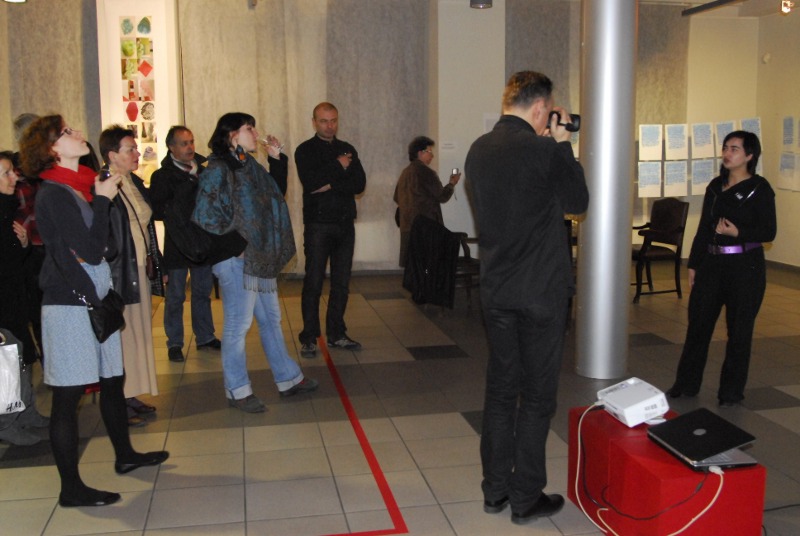
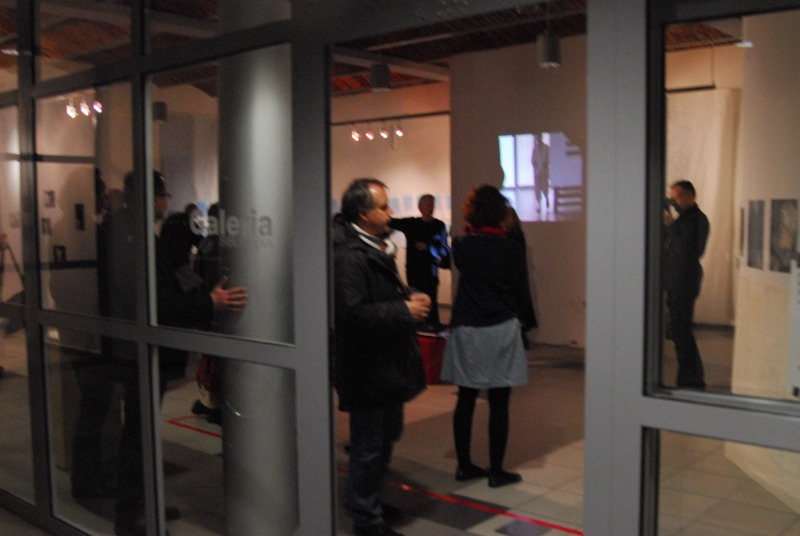
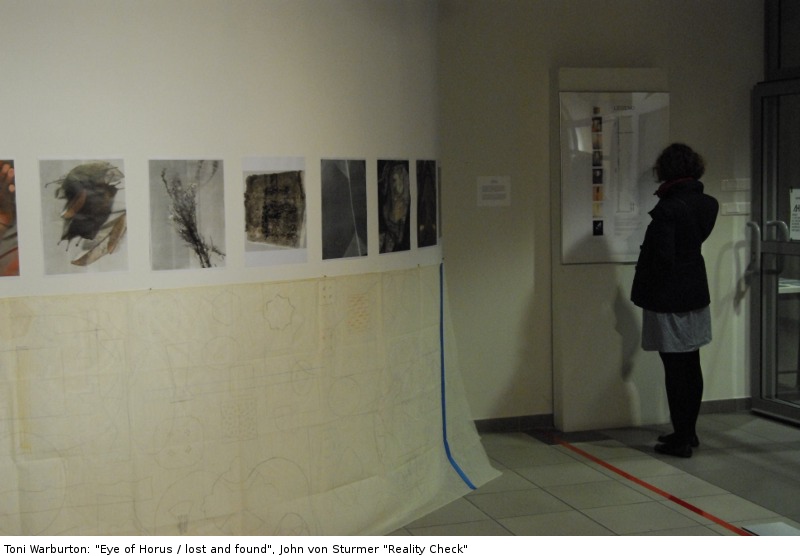
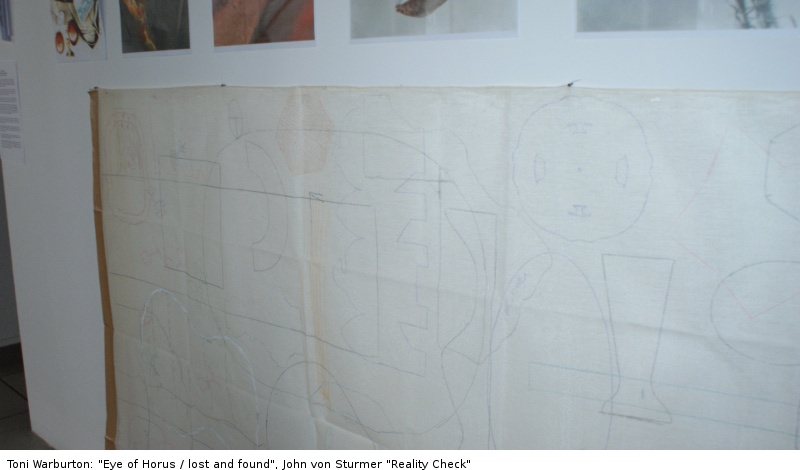
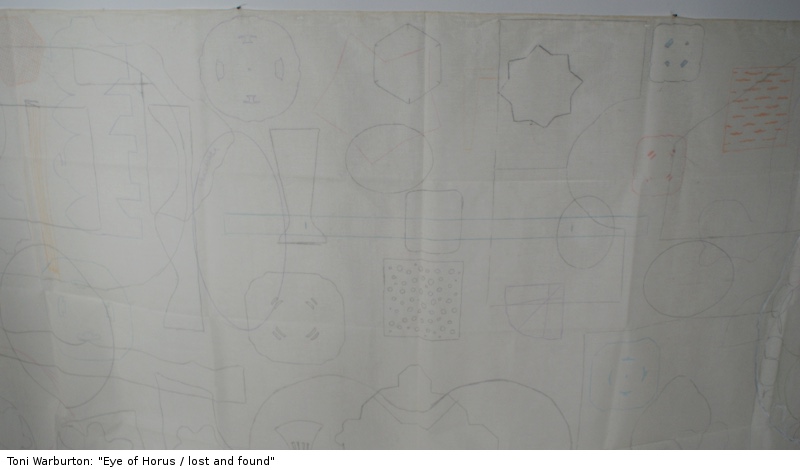
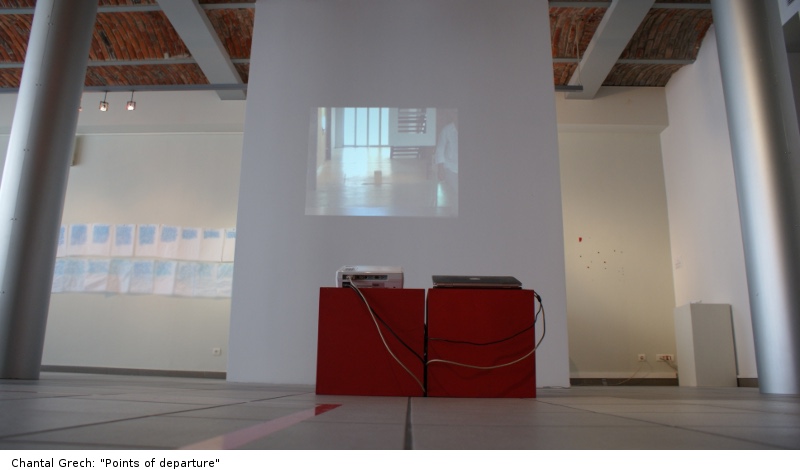
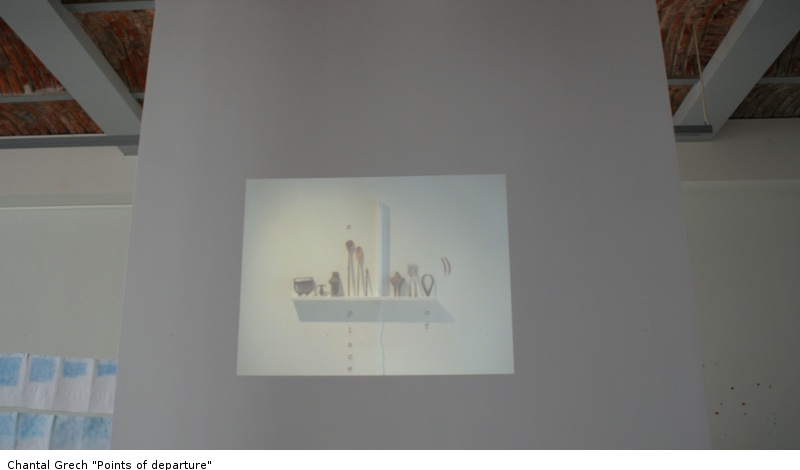
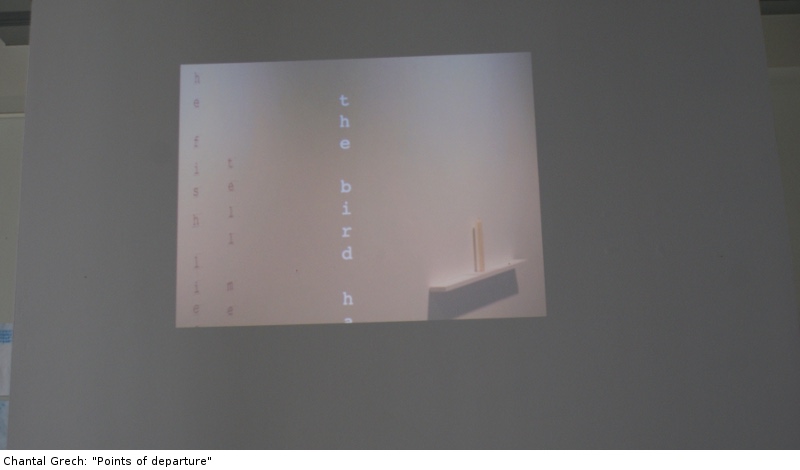
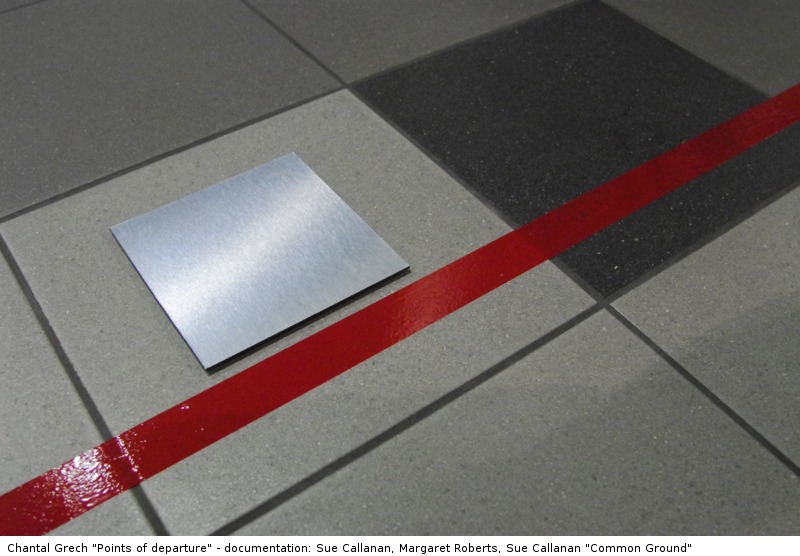
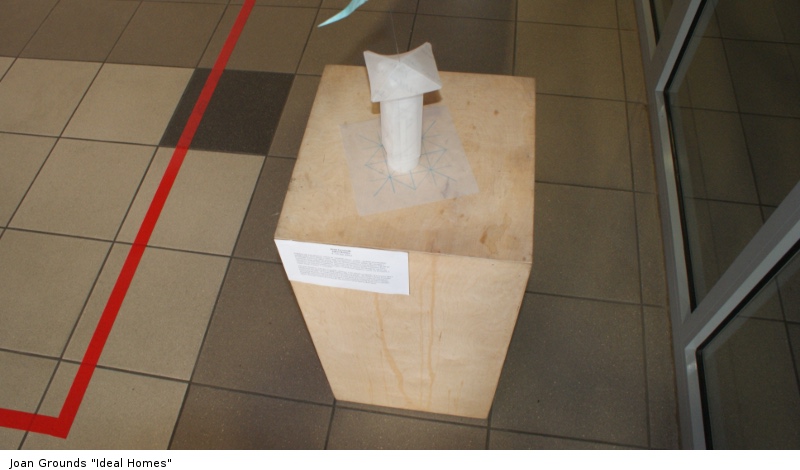
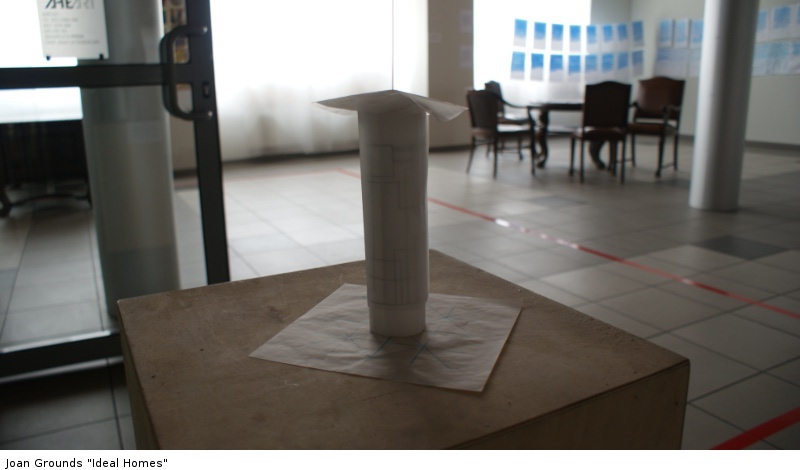
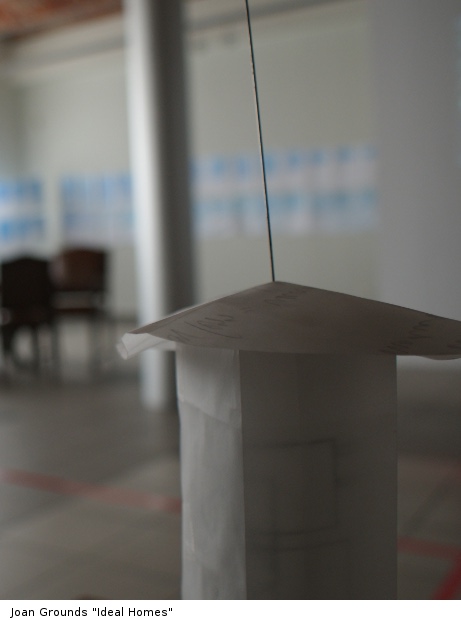
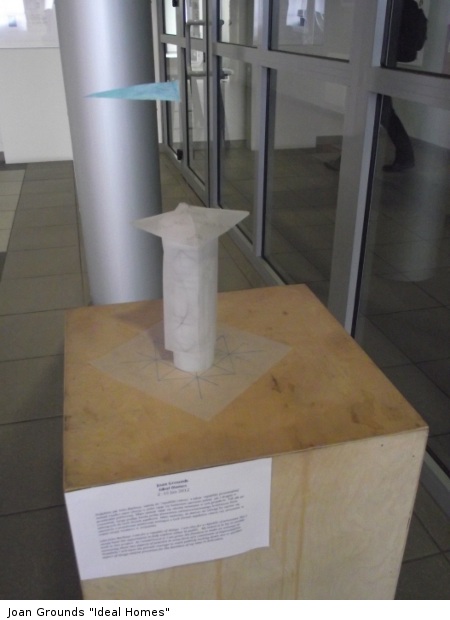
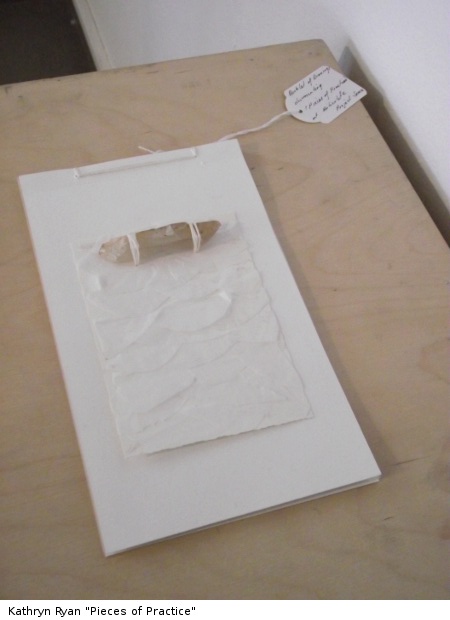
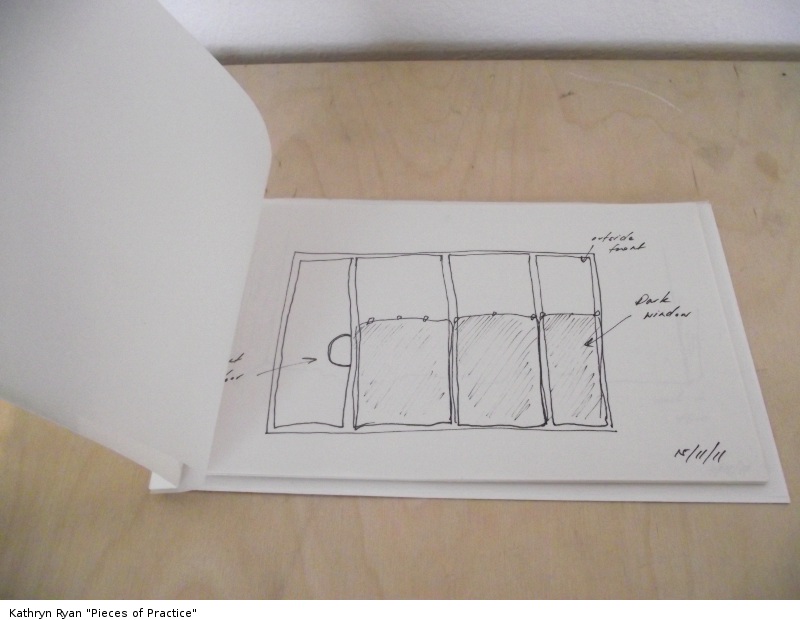
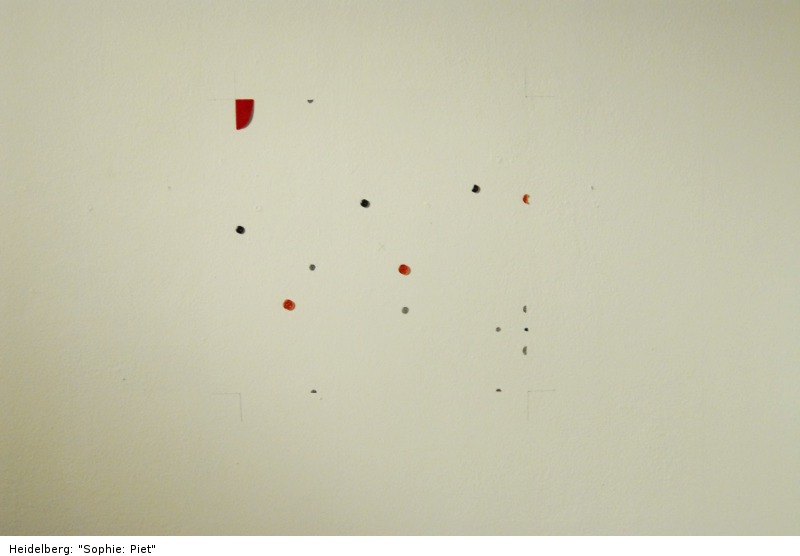
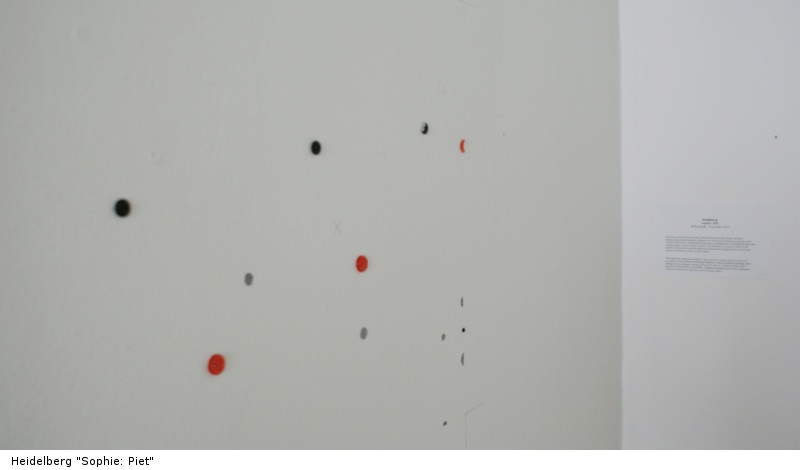
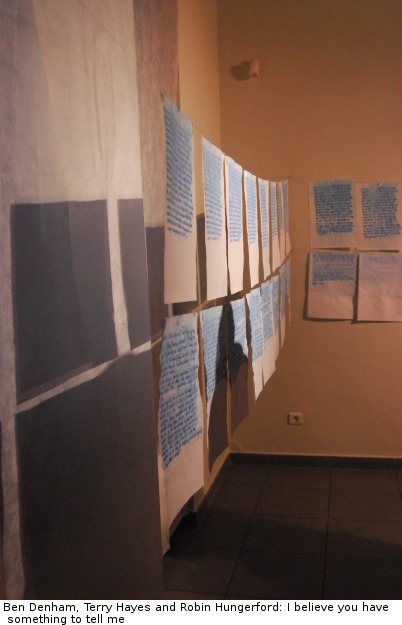
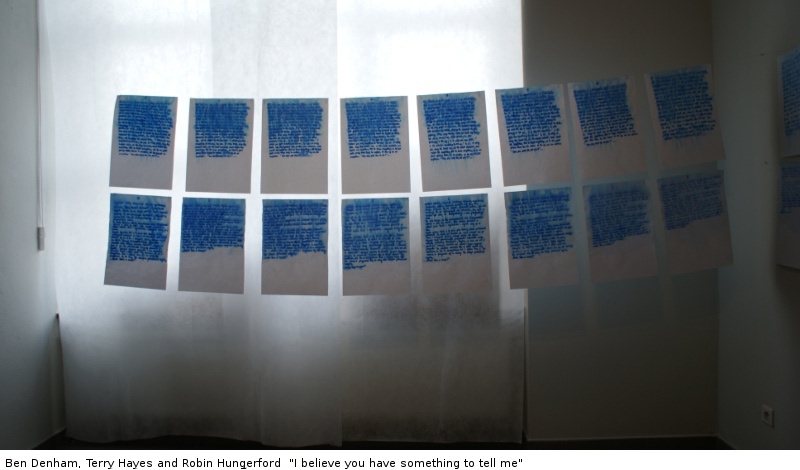
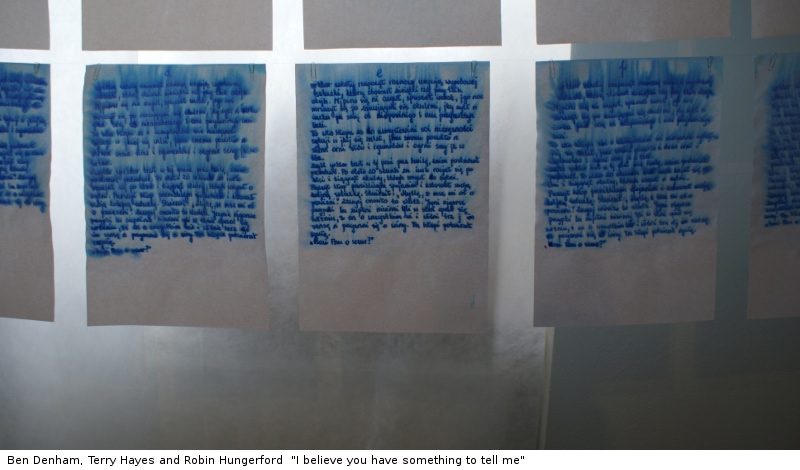
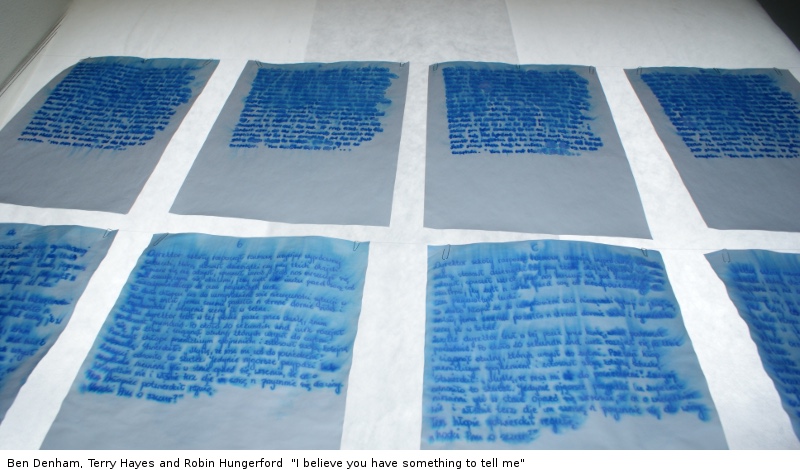
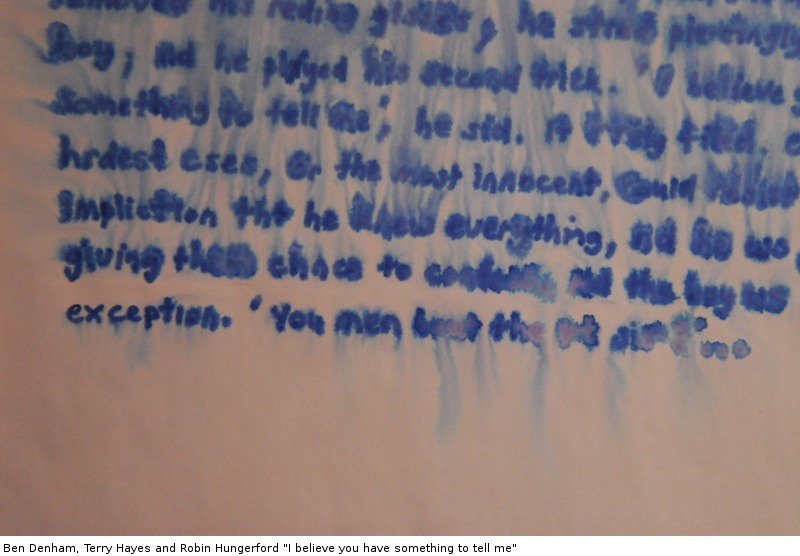
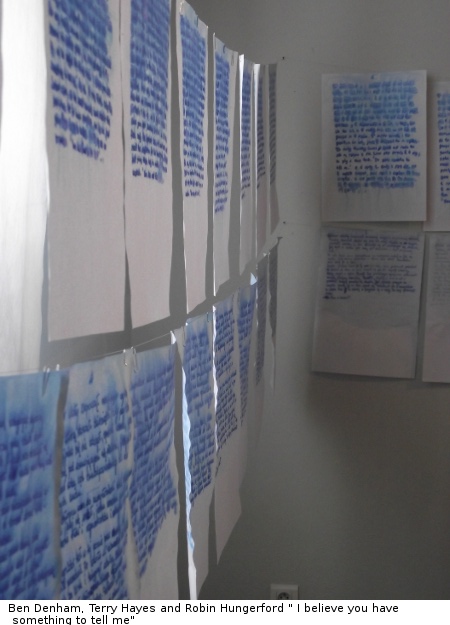
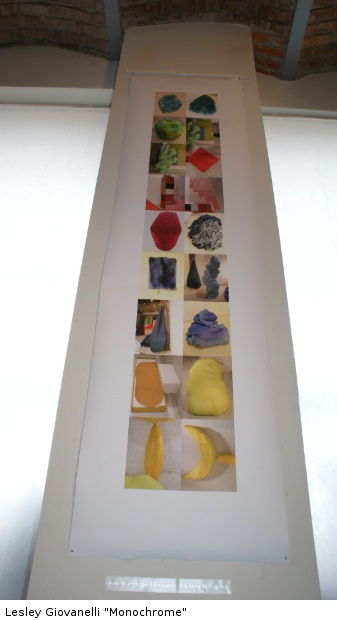
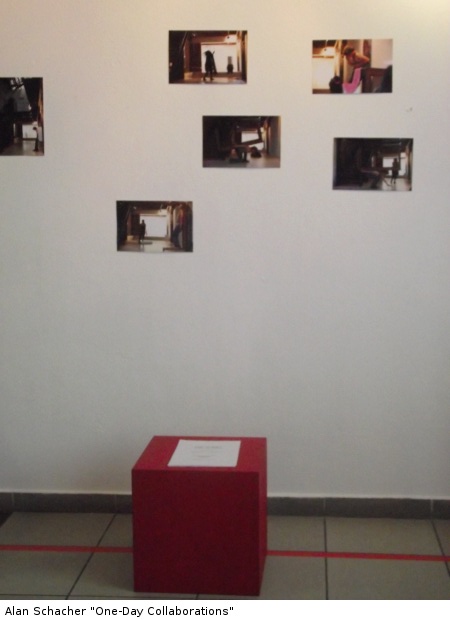
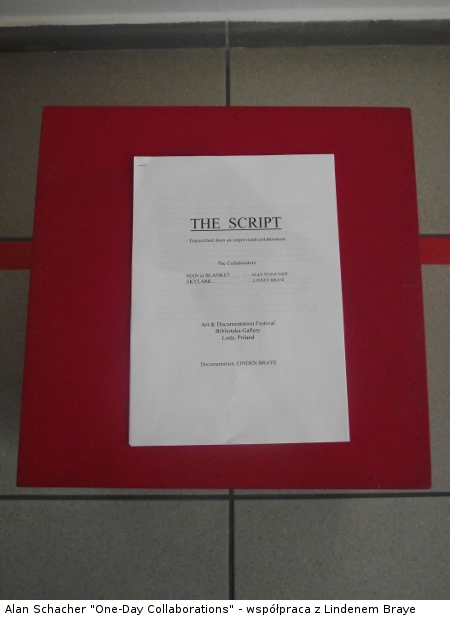
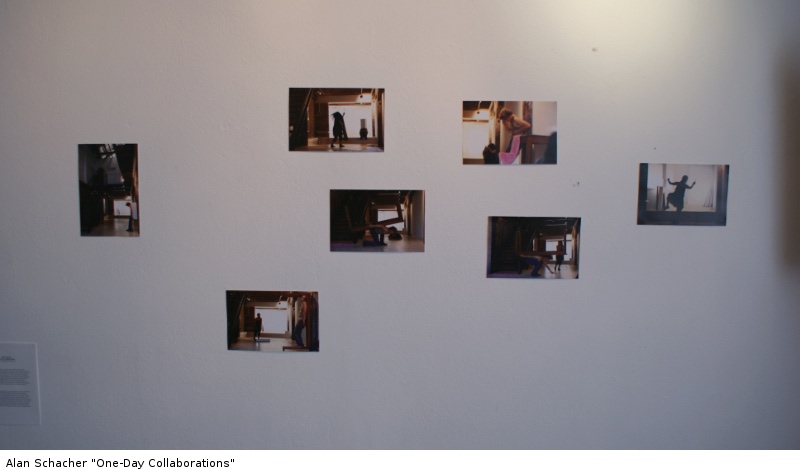
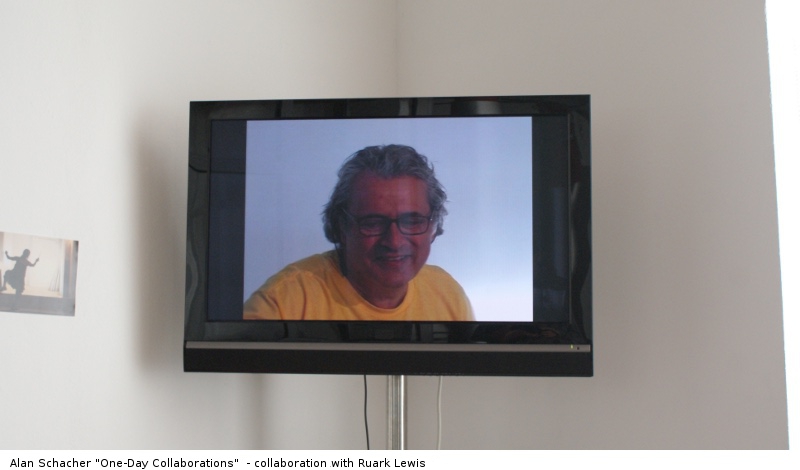
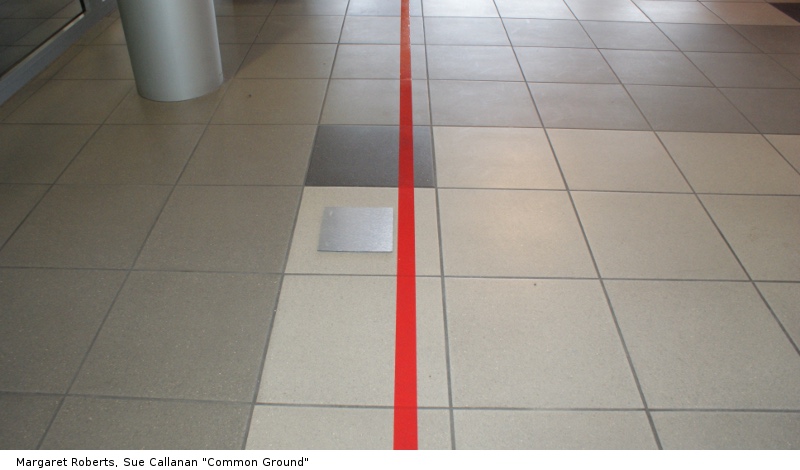
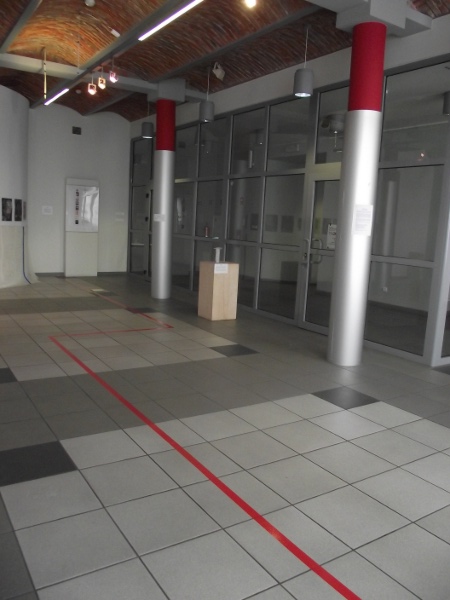
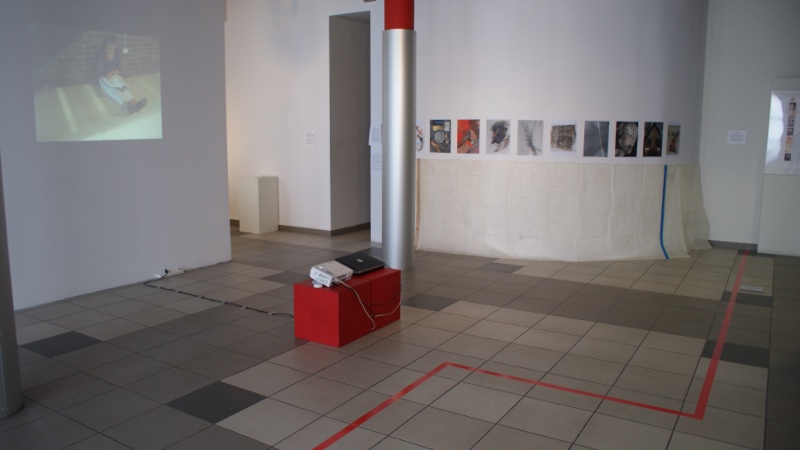
A shift in time and space. The Articulate Project Space in Lodz Anka Lesniak, 2012-08-28 The Articulate Project Space is an initiative of a group of Australian visual artists who have a studio or some other connection in common with 497 Parramatta Road, Leichhardt (Sydney). These artists’ diverse practices share an interest in the relationships that artworks form with their various locations. The Articulate Project Space combines features of a studio and a gallery. The exhibition "Project Space Project", prepared for the 4th Art and Documentation Festival by Margaret Roberts and Sue Callanan from the Articulate Project Space, was presented in May and in the beginning of June at the Biblioteka Gallery (Lodz, Poland). The project space project aims to explore the idea of project spaces as an exhibition practice that focuses on the thinking processes that go on in art making, and on the relationships that are formed between artworks and the places in which they are made1. The exhibition presented the results of artists' activities who Callanan and Roberts invited to work in the Articulate Project Space. From September 2011 to March 2012, each of the invited artists could use this space in his/her own way. More important than the results in the form of art objects was an interaction with this specific place. The Articulate space is approximately 35 meters long and 4 meters wide, which means that it is difficult for an artist to work and exhibit there without taking into account the nature of this place. Each of the artists had two weeks for his/her work in the Articulate Project Space, and after (or during this time), their work was presented to the public. Artists could work individually or invite other people to collaborate. The artists who took part in the project were: Lesley Giovanelli, Alan Schacher, Ben Denham, Terry Hayes and Robin Hungerford, Kathryn Ryan, Heidelberg, Joan Grounds, Chantal Grech, Toni Warburton. In the Biblioteka Gallery the documentation of the Australian artists' activities during the project was presented. This documentation in many cases differs from video recordings and photographs generally used for that purpose. During the exhibition in Lodz we could see mainly drawings, objects, prints, texts and installations. The artists prepared the documentation with regard to the space, where it would be presented. The documentation presented in the Biblioteka Gallery was a kind of summary of the ideas contained in the actions taking place in the Articulate Project Space. The distance between Poland and Australia, which obviously causes high shipping costs, even for small parcels was a significant factor. The objects sent for the exhibition consisted of paper, carbon paper or felt thus they preserved a kind of ephemeral nature and temporary quality, characteristic for works and performances prepared in the Articulate Project Space. For the audience entering through the corridor of the academy building to the Biblioteka Gallery, their attention was at once attracted by red tape stuck to the floor. The tape indicated the dimensions of the Articulate space in 1:1 scale, thus giving the idea of the area in which the artists worked. Only one quarter of the Articulate space "fit" in the Biblioteka Gallery, so it was also necessary to use the corridor area and the library located at the other end opposite to the gallery. This installation titled Common Ground was devised by the curators of the exhibition - Sue Callanan and Margaret Roberts. Every few metres there were also square metal plates attached next to the red tape. This was the documentation of Chantal Grech's work Points of Departure, which also consisted of a video and a poster with the plan the Articulate space2. In her video, Grech stopped at various places within the Articulate Project Space and read texts. The texts referred to the myth of Ariadne's thread and to the idea of home that exists, not in a physical location, but in the voices of other people who touch us, in their stories, their works, irrespective of geography and of where they happen to be. The metal plates indicated the exact points in the Articulate space, in which Chantal Grech read the texts. Opposite to the video by Chantal Grech, there was a small object also referring to the idea of home. It was made of sketches drawn on carbon paper by Joan Grounds who asked other people to describe the ideal place for them to live in. Any real possibilities of the realisation of their ideas were unimportant and the form of description was unrestricted. According to Project space Project the artist referred online to the question of the documentation of art, writing: (…) it is always the most stressful part of making any sort of real time process based temporal work for me. I see it, more or less, as a necessary but disturbing compromise. It seems to me that documentation is always some sort of strange disembodied translation with a fair share of interpretation and sometimes misinterpretation by the documenter, myself included.3 Kathryn Ryan presented a booklet with drawings. It was a very delicate object made of different kinds of paper. It also had ground glass attached to the cover. Ryan, in the description of her work, cites an excerpt from Paul Auster’s book In the Country of the Last things. "It is an odd thing, I believe, to be constantly looking down at the ground, always searching for broken and discarded things. After a while, it must surely affect the brain. For nothing is really itself anymore. There are pieces of this and pieces of that, but none of it fits together. And yet, very strangely, at the limit of all this chaos, everything begins to fuse again...As an object hunter you must rescue things before they reach a state of absolute decay. You can never expect to find something whole—for that is an accident, a mistake on the part of the person that lost it—but neither can you spend your time looking for what is totally used up. You hover somewhere in between, on the lookout for things that still retain a semblance of their original shape-even if their usefulness is gone." Paul Auster In the Country of Last Things Faber and Faber, London 1989, p.35-36 The artist considers herself as an object-hunter. She collects unnecessary and useless things, putting them together to create poetic and metaphorical works. Her work with found objects is reminiscent of the surrealists’ idea of the object trouvé. We can see Ryan’s work at her blog. In the context of the exhibition in the Biblioteka Gallery her works reflect on the fact that documentation retains only the remains of the work. It doesn’t transmit any of the sensations contained in the work which can be experienced only in the presence of the work itself. However it preserves a kind of trace and Ryan’s booklet is a very poetic object by itself. Next to Ryan’s booklet we could see Heidelberg’s composition Sophie: Piet. Through the use of red, black and white colours and simple, geometric shapes, the composition evoked associations with neo-plasticism. Heidelberg’s composition was transferred onto the wall of the Biblioteka Gallery with a template prepared by the artist. The work was made felt and buttons, pencil and paint. Heidelberg draws attention to elements that appear in the artworks of the Swiss artist Sophie Taeuber-Arp and Piet Mondrian. In the Articulate Project Space Heidelberg made number of works undertaking this issue. Toni Warburton showed documentation titled Eye of Horus. Lost and Found which related to his Template Panorama – a changing wall situation rather than installed exhibition, which the artist arranged in the Articulate Project Space. During this process Wiliam Seeto made a photo of the work and published it on Facebook. This photographic image showed a very provisional moment within the process of the development of Warburton‘s work. Making a reflection on art as documentation Warburton asks the question: "What is a work? Is it a form of artist's intervention, a stoppage that nonetheless enters a new dynamic?". On the basis of Warburton’s interest in scans made by John von Sturmer, he invited von Sturmer to participate in the work in Articulate. After a few days cooperation, von Sturmer wrote texts in which he wondered what reality is (in relation to what he heard or saw in his surroundings or in the media) and he also scanned various objects. As documentation of both artists’ activity, we could see a large format drawing made on fleece. On semi-transparent material, Warburton drew with great precision the contours of the ceramic vases he works with. Above the drawings there were von Sturmer’s printed scans. One could also read his text Reality Check. Terry Hayes intended the Polish public to participate in his action. He sent 24 sheets of paper to the Biblioteka Gallery on which he rewrote 24 times a short story (probably an episode from a book). In subsequent versions of the text he left out a letter of the alphabet. He asked for a translation of the story and for a rewriting of the text in the same way in Polish. The Polish version had to be prepared in the same way as the English one, that meant it should be written with a non-permanent marker, then soaked in water, dried and hung below the English text. (During the preparation of the Polish version of the work, it turned out that is not easy to find a non-permanent marker in Poland and achieve the same visual effect as in the work prepared by Hayes). It was interesting for the artist to play with the language - with difficulties arising when translating text into another language and when we often have to give up the literal translation, to avoid artificial phrases. After receiving the Polish version of the text the artist plans to translate it into English again ... Alan Schacher's project titled One-Day collaboration was based on his collaboration with other artists. Each day of his activity in the Articulate Project Space he collaborated with a different artist. The activities ranged from text, sound, photography, installation, performance, photography, video, dance, sewing, cooking or mere conversation. The documentation presented in Lodz consisted of the photos from a performance with WeiZen Ho, a video with Ruark Lewis and a script from a performance (based on dialogue) with Linden Braye. The idea of the preservation of this improvised dialogue in the form of a script, instead of a video, has both the function of documentation as well as opening up new possibilities for this work. The script is reminiscent of a form of performance score, but also evokes associations with theatre. Some artists consciously opted out of the video documentation, arguing that it “may be shelved, possibly never to be revisited“, touching upon the problem of archiving art just for archiving. Perhaps to paraphrase more than 100 years later a slogan "art for art's sake", today we could postulate a "documentation for documentation’s sake". Braye's and Schacher's documentation of their dialogue in the form of a script, is much more versatile and allows for the possibility of it to be used by other artists in other ways, such as the continuation of the dialogue or to conduct it in a different context. This work touched upon a currently very important issue of the conservation of ephemeral art and the re-enactment connected with it. Ela Wysocka developed a questionnaire for artists dealing with forms of ephemeral art. The questionnaire contains questions concerning both the course of an action and also the possibilities of repeating it by someone else. Ephemeral art evokes many questions about the role of documentation, not only for theoreticians and curators but especially for the artists themselves. Situations created by artists are often impossible to repeat in another place and time. So the question arises, what would they like to preserve from their actions? Direct participation in the artistic action and the knowledge of it gained through documentation, could be compared to the reading of a book. However, without direct participation in the artistic situation we will never be able to feel it and only through the documentation, get to know something about the work. So should the role of documentation be to provide knowledge about the work? About its form or the idea that inspired its creation? When does the documentation become independent of the documented object/situation? Such questions inspired the exhibition by the Australian artists. Can the materials sent by them still be considered in the category documentation of art, or perhaps we should treat them as independent works of art? The audience in Lodz did not see the original actions, and could see only a little part of artists' activities in the Articulate Project Space taking place over nearly half a year. But it turned out that their succinct, original form was sufficient to stimulate the imagination. What we saw in the exhibition was not the documentation of art, but documents of art. They did not provide the knowledge about the whole work but about the idea of it, which could indeed be developed, perhaps even by other artists. 1. Sue Callanan & Margaret Roberts - curatorial text photos: Norbert Trzeciak, Marcin Faber read more about Articulate Project Space
|